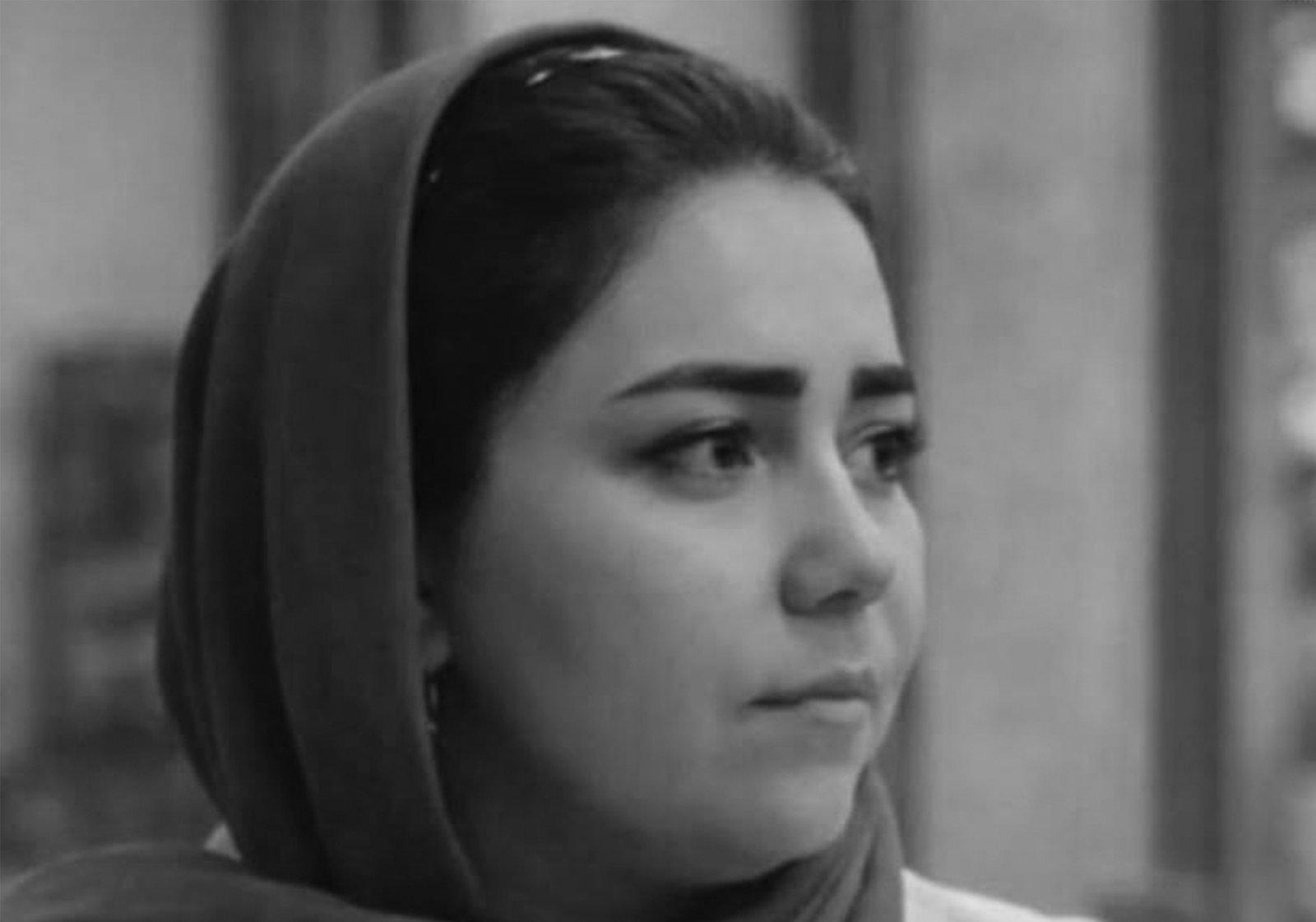
Akram Pirghazi (Pirgozi)
Age: 40
Location: Neyshabur, Khorasan Razavi Province
Akram Pirghazi, a 40-year-old resident of Neyshabur, was killed on Wednesday, January 7, 2026 (17 Dey 1404), during popular protests in the city. According to reports from human rights organizations and local sources, she was targeted by direct gunfire from Islamic Republic security forces.
Witnesses and local activists have confirmed that she died almost instantly after being struck by bullets fired by government forces during the crackdown on demonstrators. She is described by local media as a symbol of courage who stood for freedom and an end to oppression. Following her death, her case has been highlighted as another example of the systematic use of lethal force against unarmed civilians during the nationwide protests in early 2026.
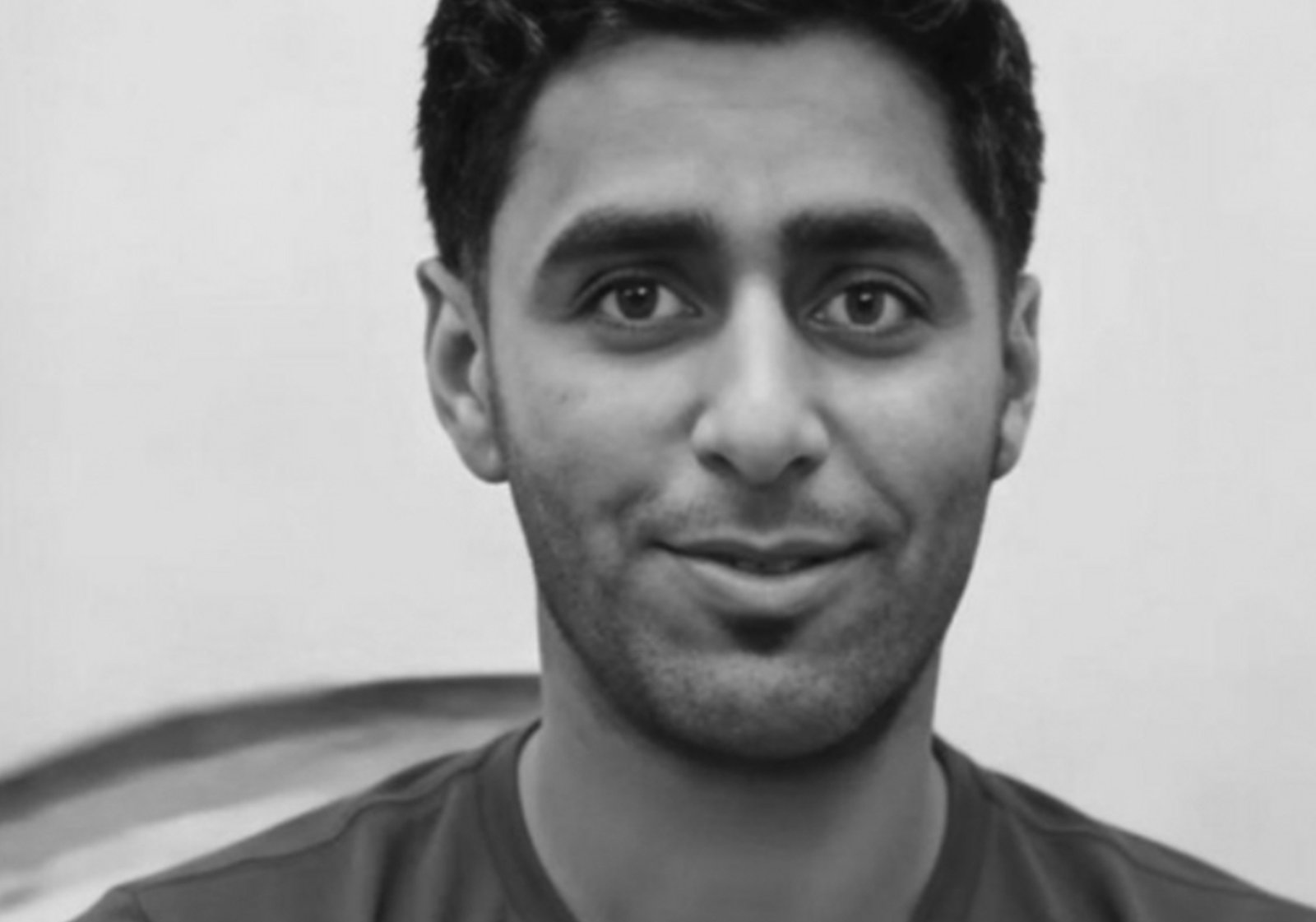
Mahmoud Mousavi
Age: 29
Location: Qeshm Island, Hormozgan Province
Mahmoud Mousavi, a 29-year-old resident of Qeshm, was killed on the evening of Saturday, January 10, 2026 (20 Dey 1404), during public protests on the island. According to reports from IranWire and the Hengaw Organization for Human Rights, he died after being shot by Islamic Republic security forces.
Eyewitness accounts indicate that protests in Qeshm were met with a violent crackdown, involving the use of live ammunition by government forces against demonstrators. Mahmoud is one of at least two citizens identified as having been killed by state forces in Qeshm recently, following the death of Ako Mohammadi, a 22-year-old Kurdish man originally from Salas-e Babajani, who was shot on January 8. These killings occurred amidst a broader nationwide crackdown and a near-total internet blackout aimed at concealing the scale of the casualties.
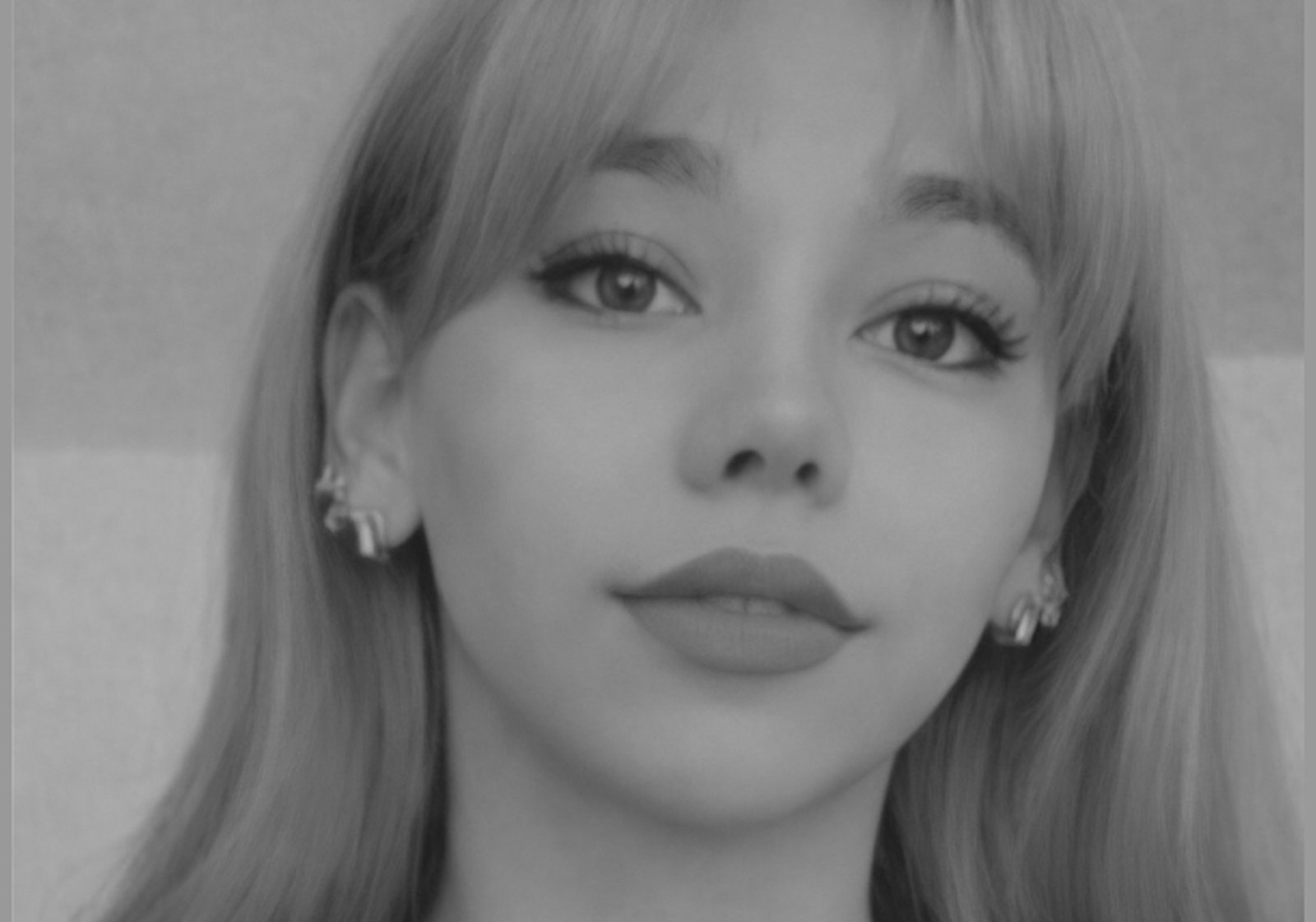
Rubina Aminian
Age: 23
Location: Tehran (Originally from Marivan, resided in Kermanshah)
Rubina Aminian, a 23-year-old Kurdish student specializing in Textile and Fashion Design at Shariati Technical and Vocational College in Tehran, was killed on the evening of Thursday, January 8, 2026 (18 Dey 1404). According to eyewitness accounts and reports from Iran Human Rights (IHR), she was shot from behind at close range by government security forces after leaving her college to join public protests in the Khani Abad No area of Tehran. The bullet reportedly struck her directly in the head.
The aftermath of her death revealed a grim scale of violence; her family, who traveled from Kermanshah to identify her body, was led to a facility near the college where they were forced to search through what her mother described as "hundreds of bodies" of young protesters, mostly aged 18 to 22, who had also been shot in the head and neck. After a prolonged struggle to retrieve her remains, security forces surrounded the family home and prohibited a burial in their hometown. Consequently, the family was forced to bury Rubina in a location between Kermanshah and Kamyaran. Reports indicate that authorities have since banned any public mourning or memorial services for her in Marivan and Kermanshah.
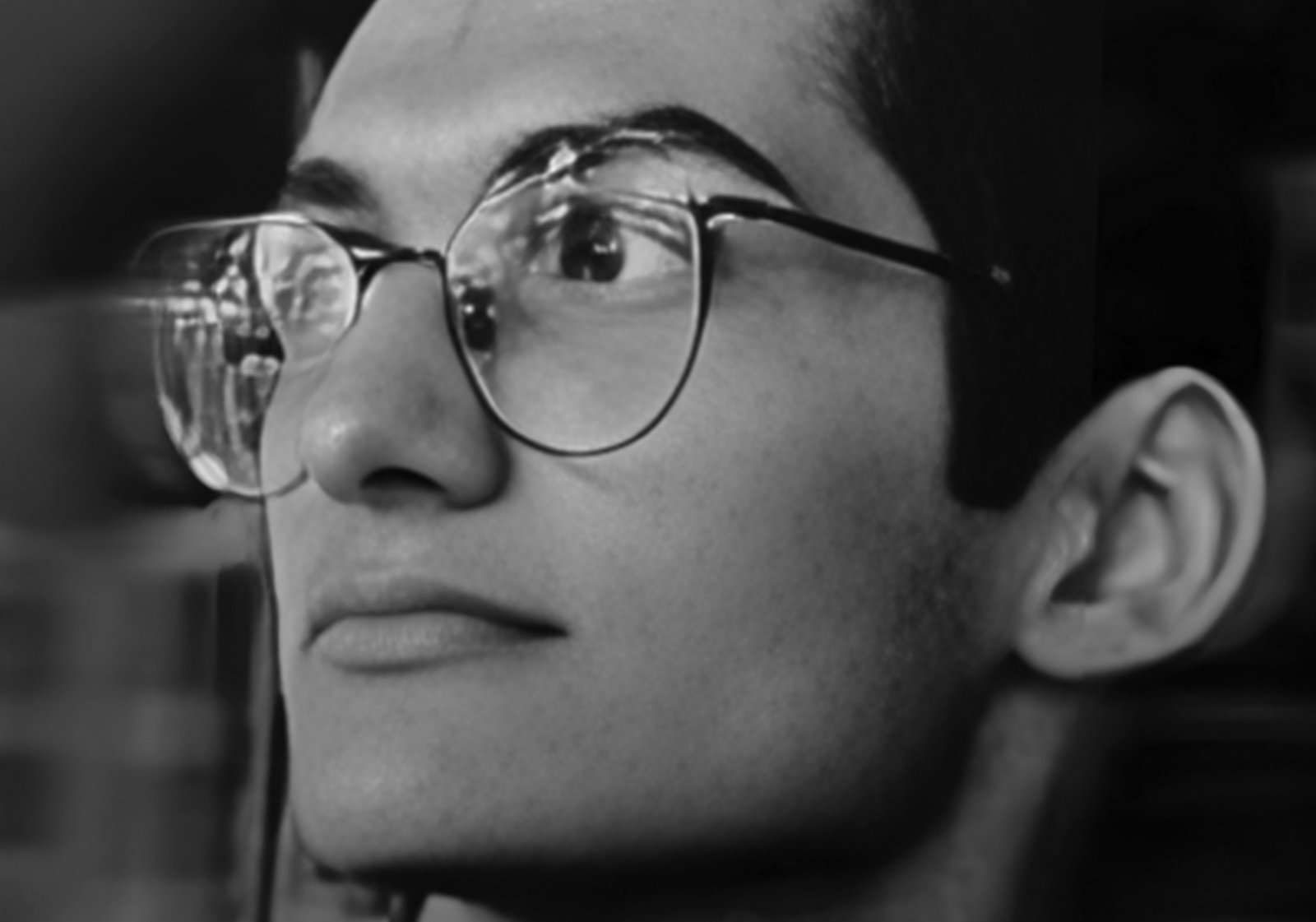
Khaled Molayi
Age: Not publicly confirmed (Student) Location: Bandar Abbas, Hormozgan Province (Originally from Hormod village, Larestan, Fars Province)
Khaled Molayi, a student and the son of Abdulhamid Molayi (a prominent Sunni figure from the Larestan region), was killed on the evening of Thursday, January 8, 2026 (18 Dey 1404), in Bandar Abbas. According to reports, the incident occurred in the "Se-rah Sazman" area while Khaled was returning home with his brother. He was targeted by direct gunfire from Islamic Republic security forces.
The Hengaw Organization for Human Rights has verified the killing through video evidence of his body. Following the incident, forensic authorities in Bandar Abbas reportedly refused to hand over his body to his family. Security agencies have pressured the family to adopt a state-sponsored narrative, claiming he was killed by "anti-revolutionary elements" or "rioters" rather than government forces. Khaled is identified as one of at least two citizens, alongside Mohammad Mohammadlou, killed by state forces in Bandar Abbas that night.
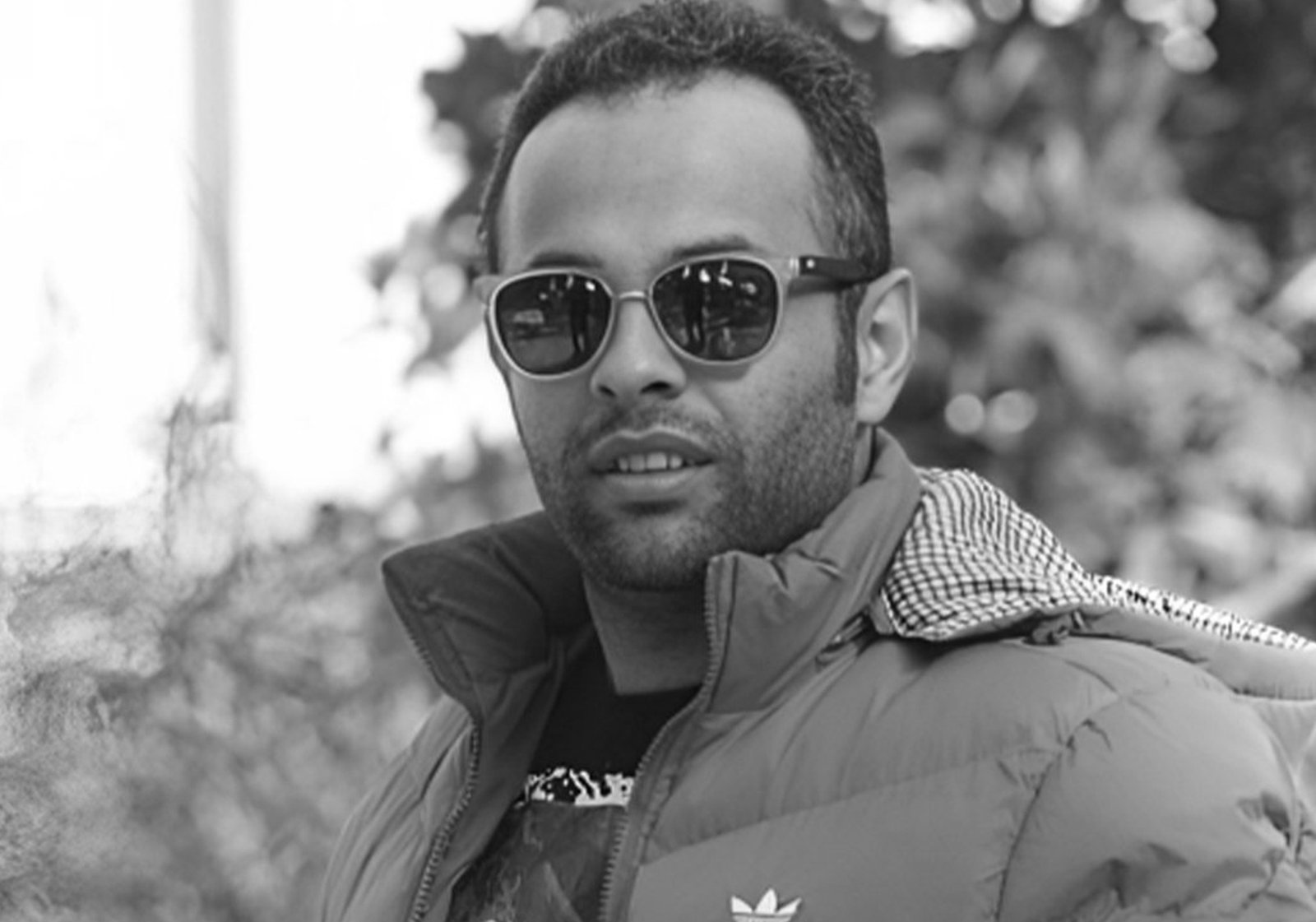
Javad Ganji
Age: 39
Location: Tehran/Hamadan (Originally from Hamadan)
Javad Ganji, a 39-year-old filmmaker and assistant director from Hamadan, was killed on Friday, January 9, 2026 (19 Dey 1404). According to reports, he was targeted by direct gunfire from security forces during popular protests. While some reports indicate he was shot four times during demonstrations in the Sadeghieh area of Tehran, other sources state the incident occurred during the uprising in his hometown of Hamadan.
Mr. Ganji was a well-known professional in the Iranian film and television industry, serving as a director, assistant director, and planning manager for numerous projects. His extensive career included work on films such as Iran Daughter, Mubarak, Fathers, and The Saturday Hunter, as well as television series like The Moment of the Twilight. He also served as the production manager for the film Darno and the project manager for Rooz Cinema. His death has been highlighted by human rights activists as another instance of the lethal suppression of creative professionals and citizens during the January 2026 protests.
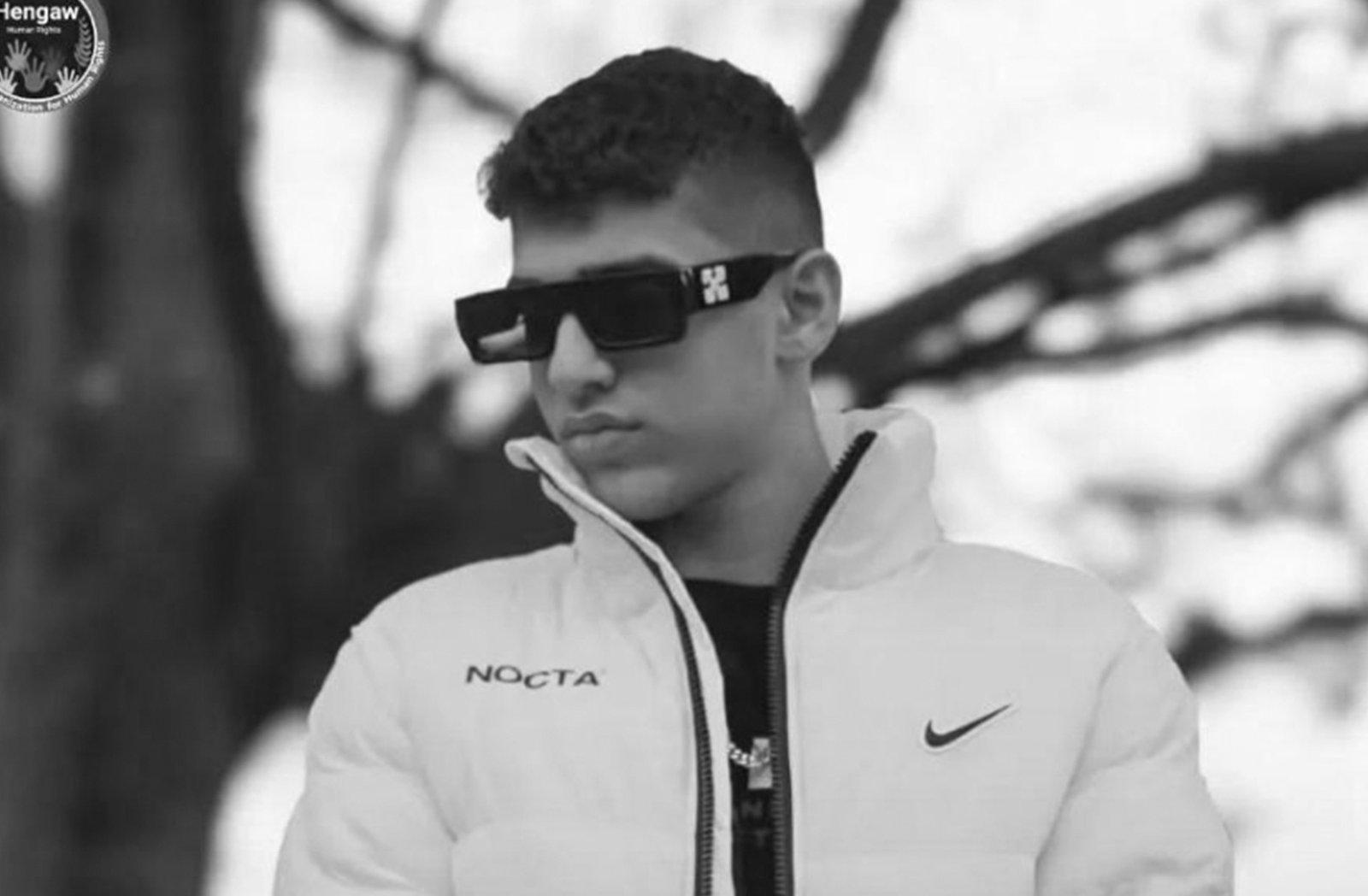
Mobin Yaghoubzadeh
Age: 17
Location: Khoshk-e Bijar, Gilan Province
Mobin Yaghoubzadeh, a 17-year-old teenager from Khoshk-e Bijar, was killed on the evening of Wednesday, January 7, 2026, after being shot by Islamic Republic security forces. He was targeted during popular protests in the city as security forces opened fire on demonstrators.
According to reports, Mobin was killed by direct gunfire from government forces using military-grade weapons (specifically identified as Kalashnikov rifles). During the same protest, another citizen named Milad Gholamzadeh was also shot and killed, while a third individual, Sobhan Hadipour, sustained a severe head injury and remains in critical condition.
Following the incident, it was reported that specialized "Special Unit" forces were extensively deployed throughout the city, and essential services such as electricity and internet were cut off in the area. Mobin Yaghoubzadeh is noted as the sixth child under the age of 18 to be confirmed killed by state forces during the protests occurring in early January 2026.

Amirhesam Khodayarifard
Amirhesam Khodayarifard was killed on the evening of January 1, 2026, during protests in the city of Kuhdasht.
According to investigations by Iran International and testimonies from his relatives and friends, he was a protester and had no affiliation with the Basij or any government institutions.
Despite official claims attempting to portray him as a Basij member, his family and close contacts have firmly denied these allegations. Reports indicate that he was killed by direct gunfire from security forces.
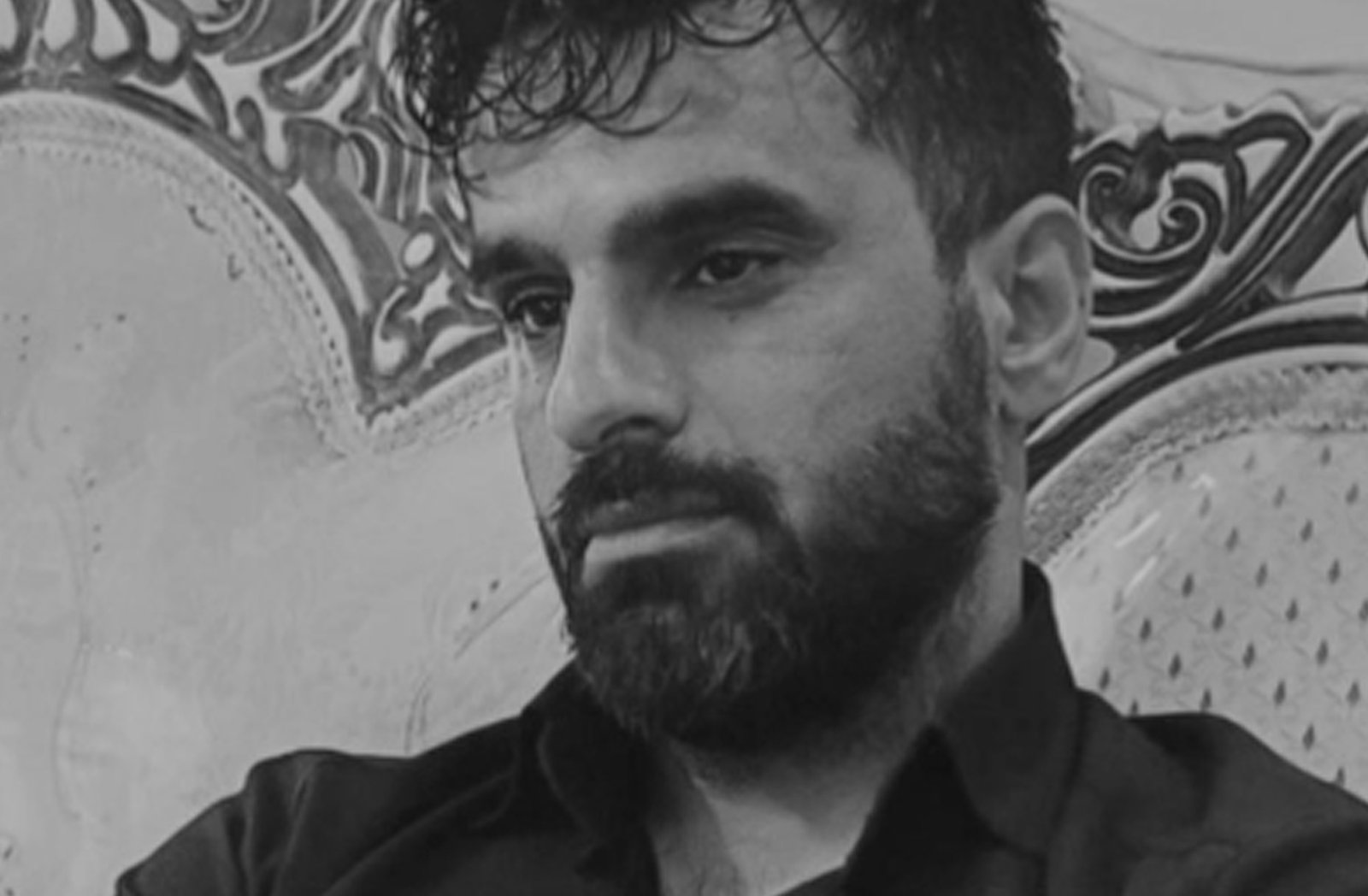
Dariush Ansari Bakhtiarvand
Dariush Ansari Bakhtiarvand, a resident of Fooladshahr, was killed during nationwide protests in January 2026.
According to reports by human rights organizations and eyewitnesses, he was shot with live ammunition during protests and died from his injuries.
Initial official statements attempted to frame his death as unrelated to the protests. However, eyewitness accounts and independent reports indicate that he was targeted during demonstrations. Further details remain under review.
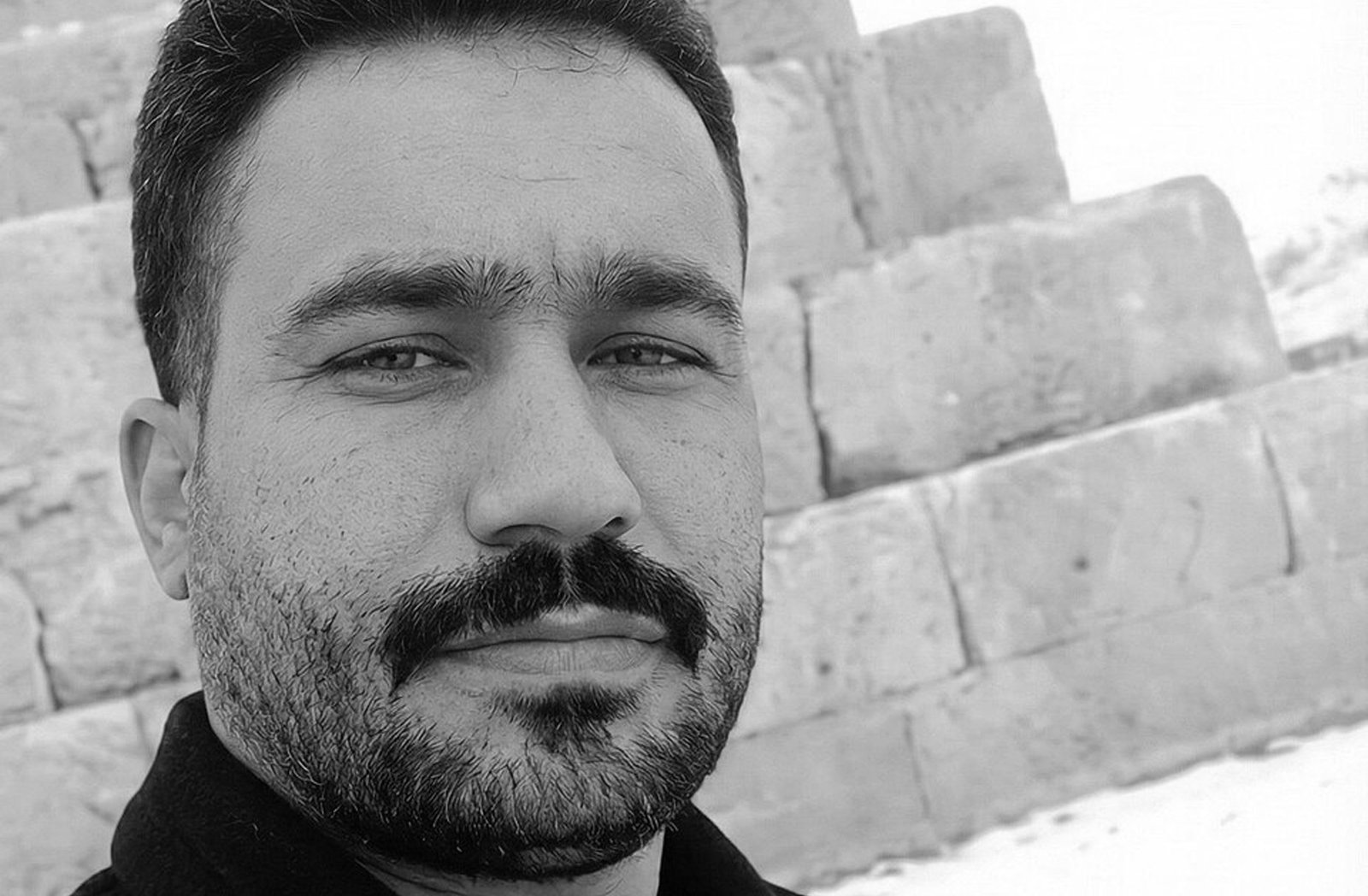
Khodadad Shirvani
Khodadad Shirvani
Age 37
Marvdasht, Fars Province
Khodadad Shirvani was a married man and the father of two children.
He was killed on January 1, 2026, during nationwide protests in the city of Marvdasht.
According to reports by human rights organizations and independent media, he was shot with live ammunition by government security forces while participating in protests. He later died from his injuries.
Initial official accounts attempted to downplay or misrepresent the circumstances of his death. However, eyewitness testimonies and multiple independent reports confirm that he was targeted during demonstrations.
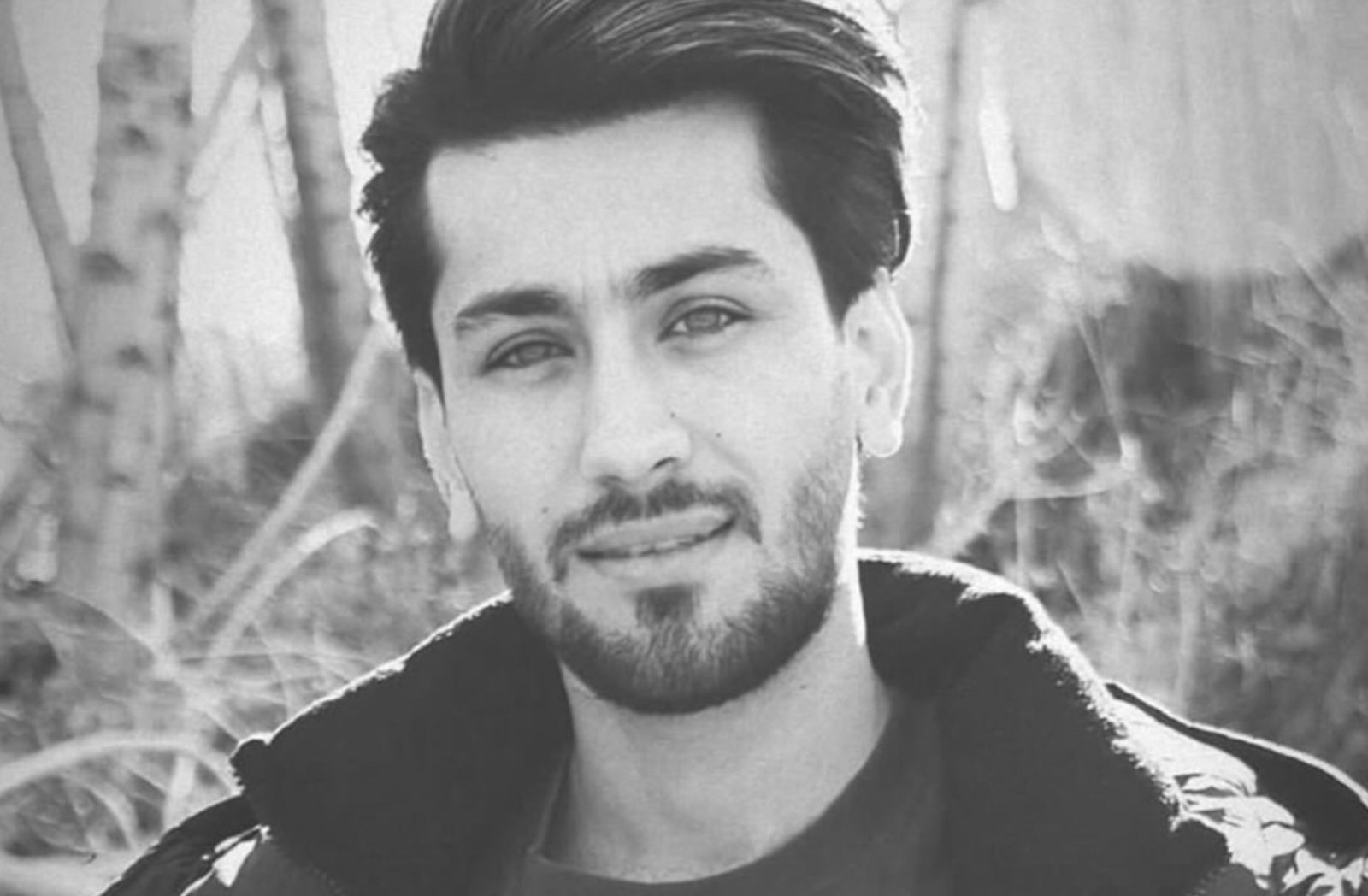
Shayan Asadollahi.
Shaian Esdalahi
Age 28
Azna, Lorestan Province
Shaian Esdalahi was a young protester from the city of Azna in Lorestan province.
He was killed on January 1, 2026, during nationwide protests.
According to reports by human rights organizations and independent media, Shaian was shot with live ammunition by government security forces after a group of protesters was attacked by vehicles belonging to security forces. Witnesses reported that he was struck by a bullet to the abdomen.
Shaian was active on social media and known among friends for sharing stories and content related to social and political issues.
He later died from his injuries.
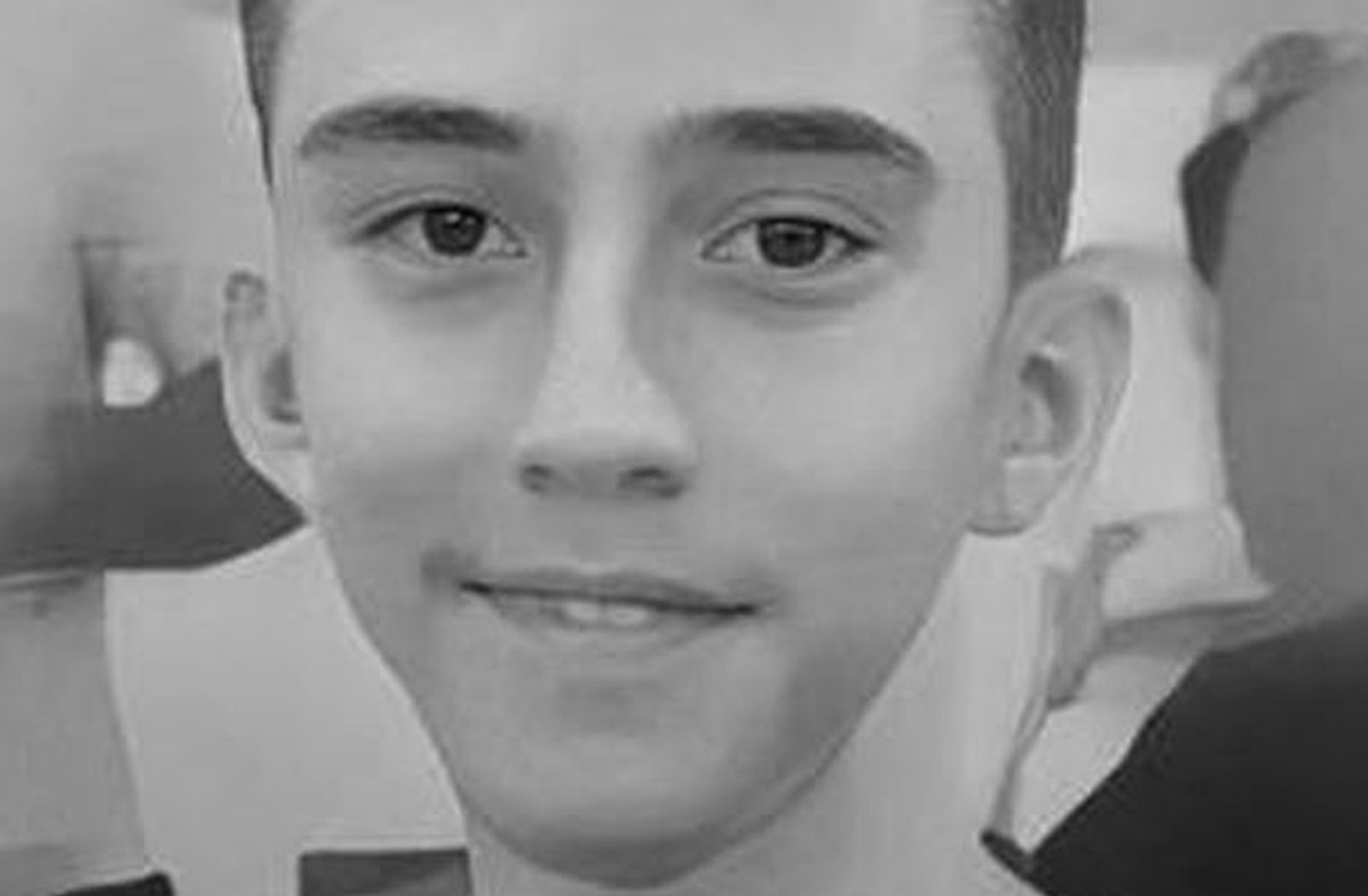
Mostafa Falahi
Mostafa Falahi
Age 15
Azna, Lorestan Province
Mostafa Falahi was a 15-year-old teenager from the city of Azna in Lorestan province.
He was killed on January 1, 2026, during nationwide protests.
According to reports by human rights organizations and independent media, Mostafa was shot with live ammunition by Islamic Republic security forces during protests in Azna. He was fatally wounded and died as a result of direct gunfire.
On the same day, other protesters were also killed and injured in Azna, indicating the scale of violence used against demonstrators.
Mostafa was a minor at the time of his death.
Reports indicate that official media attempted to frame the events as clashes initiated by protesters, a claim rejected by independent human rights sources.
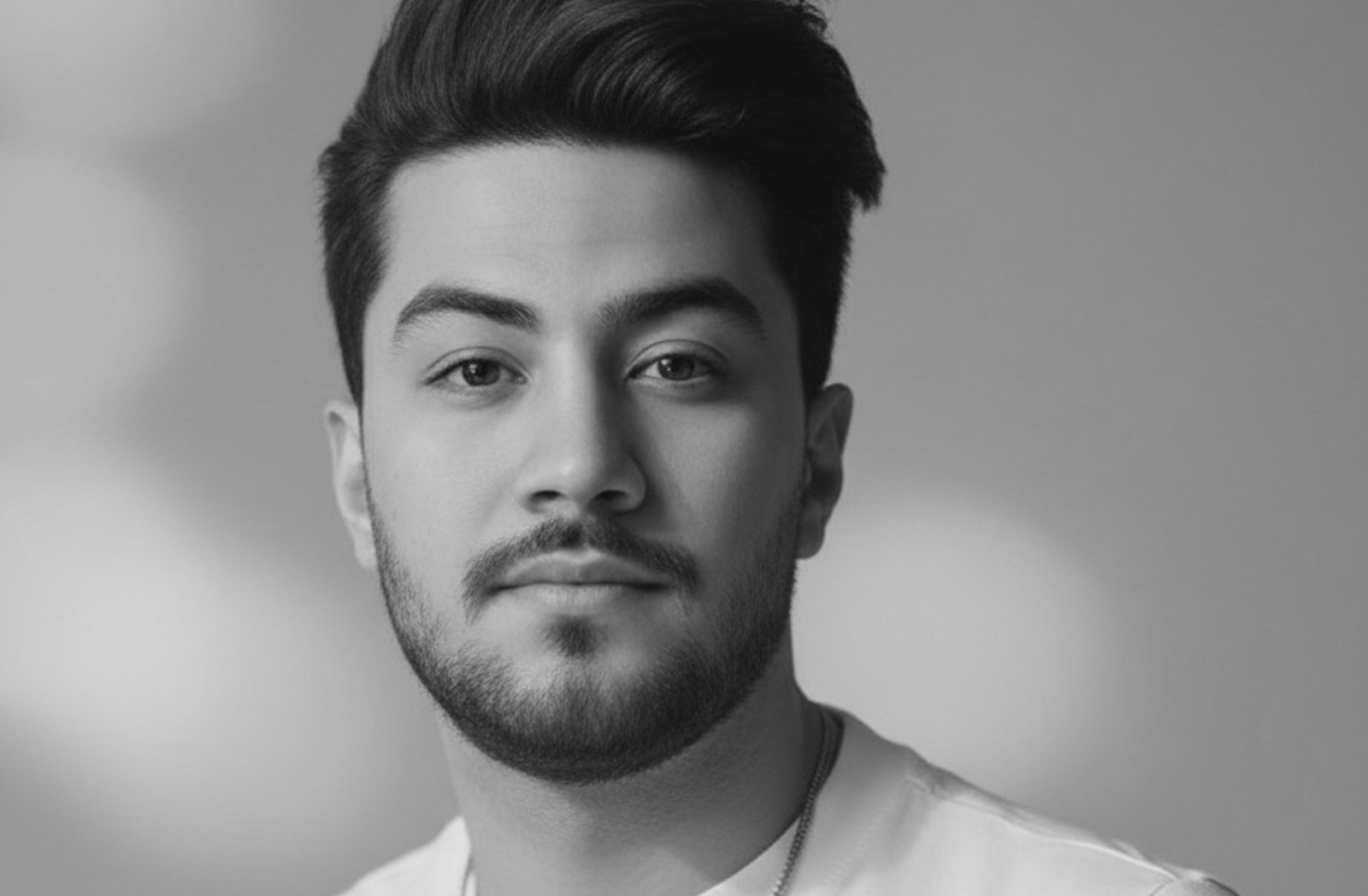
Vahab Mousavi
Vahab Mousavi
Age 30
Azna, Lorestan Province
Vahab Mousavi was a 30-year-old protester from the city of Azna in Lorestan province.
He was killed on January 1, 2026, during nationwide protests.
According to reports by human rights organizations and independent media, Vahab was shot with live ammunition by Islamic Republic security forces during demonstrations. He died as a result of direct gunfire.
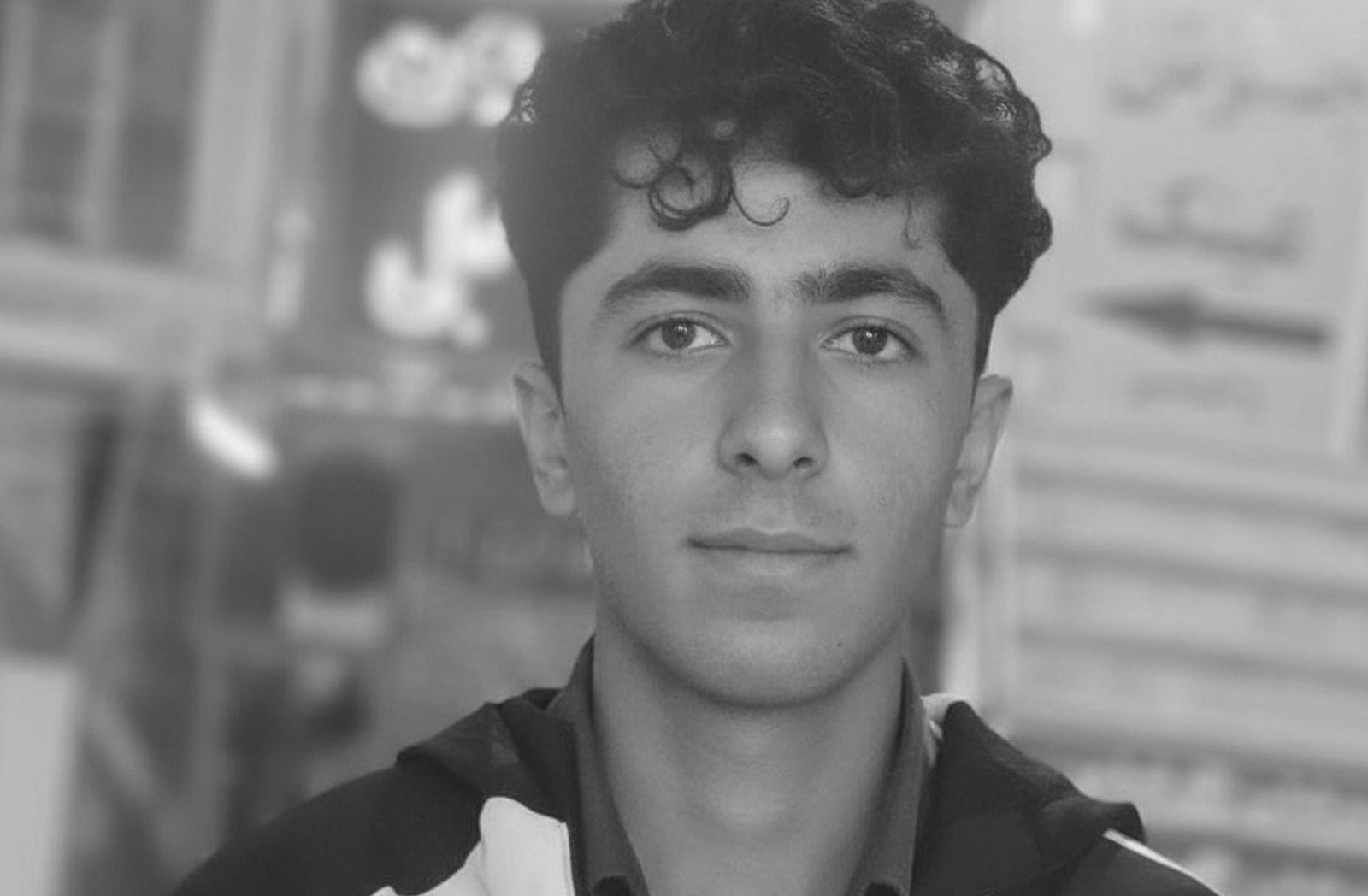
Ahmad Jalil
Ahmad Jalil
Age 22
Lordegan, Chaharmahal and Bakhtiari Province
Ahmad Jalil was a 22-year-old protester from the city of Lordegan.
He was killed on January 2, 2026, during protests after being shot with live ammunition by government security forces.
According to information reported by Iran International, Ahmad was targeted by direct gunfire on January 1, 2026, on Shahid Kalantari Boulevard in Lordegan and died from his injuries.
Relatives reported that Ahmad had previously participated in protests during the 2022 Woman, Life, Freedom movement. He was living under difficult economic conditions and worked as a ride-share driver.
Following his death, intelligence forces reportedly summoned Ahmad’s family and pressured them to give forced statements, including threats to withhold his body, in an attempt to shift responsibility for his killing onto protesters.
Reports indicate that such practices, including intimidation and financial coercion of families, have been repeatedly used by authorities following protester deaths.
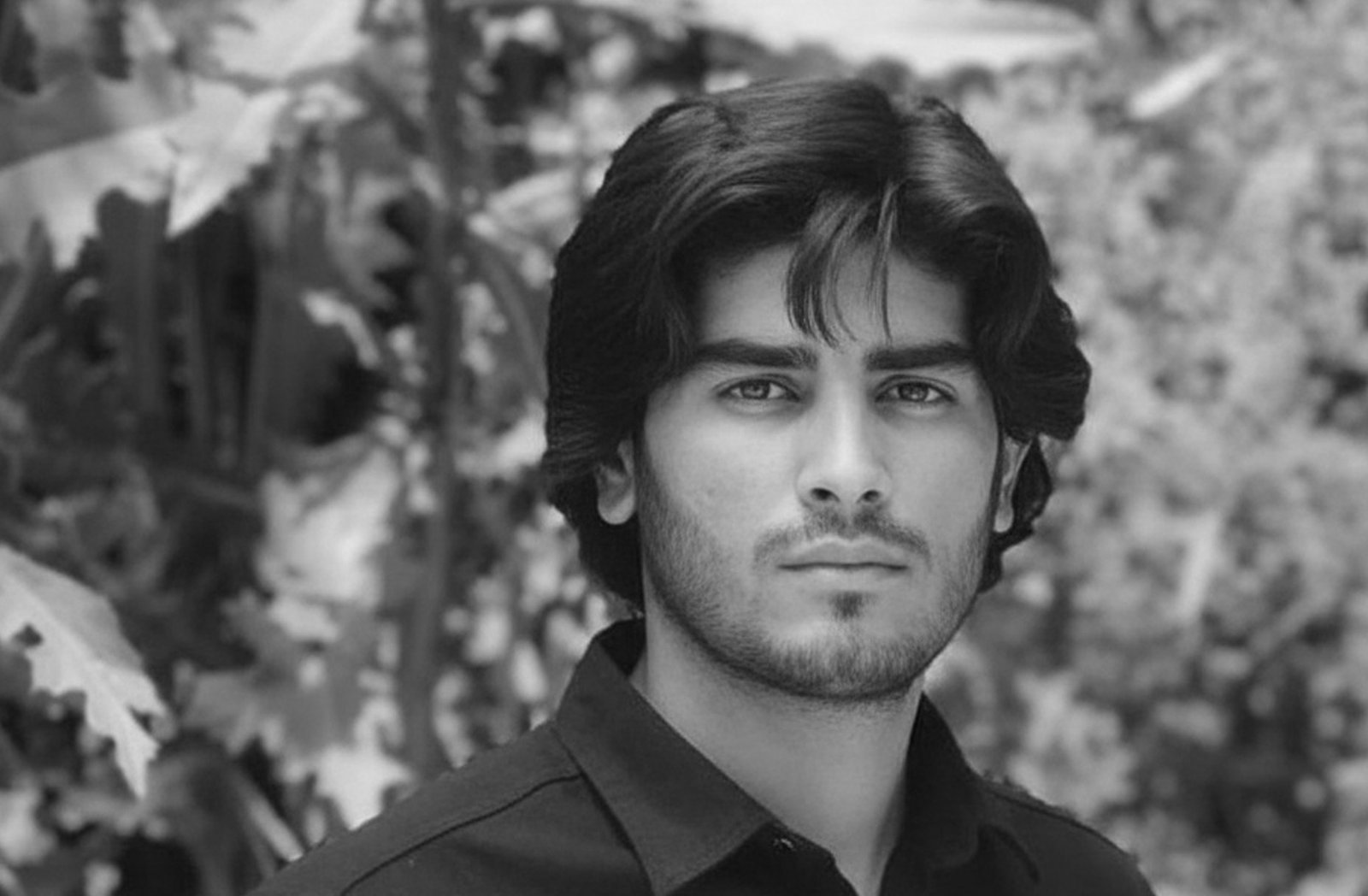
Sajjad Valamesh
Sajjad Valamesh
Age 28
Lordegan, Chaharmahal and Bakhtiari Province
Sajjad Valamesh was a 28-year-old protester from the city of Lordegan.
He was killed on January 1, 2026, during nationwide protests.
According to reports by human rights organizations and independent media, Sajjad was shot with live ammunition by government security forces during demonstrations in Lordegan. He died as a result of direct gunfire.
Witnesses reported that protests in the city were met with violent suppression by security forces, including the use of live ammunition against demonstrators.
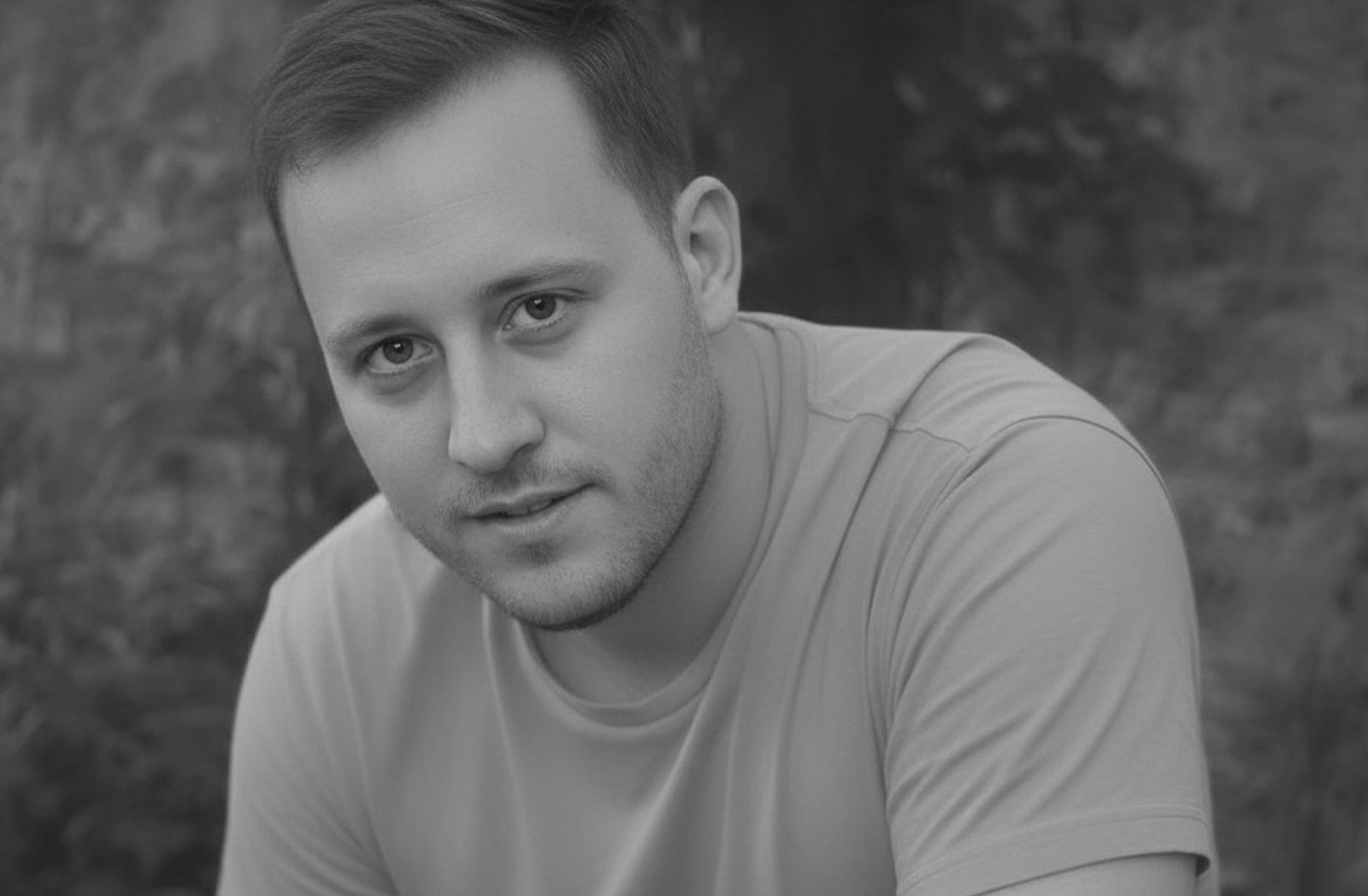
Ahmadreza Amani
Ahmadreza Amani
Age 28
Azna, Lorestan Province
Ahmadreza Amani was a 28-year-old law trainee and a member of the Yazd Bar Association.
He was killed on January 1, 2026, during protests in the city of Azna.
According to reports by Iran International and other independent media, Ahmadreza was shot with live ammunition by Islamic Republic security forces during demonstrations. He later died from his injuries.
Reports indicate that Ahmadreza was in the second stage of his legal apprenticeship at the time of his death. Following the incident, security forces reportedly prevented the immediate transfer of his body to his family and subjected relatives to pressure, including attempts to influence public narratives surrounding his killing.
The case received widespread attention in legal and human rights circles and has been cited as an example of the use of lethal force against protesters during the January 2026 protests.
Javednam Ahad Ebrahim-Pour Abdoli
Javednam Ahad Ebrahim-Pour Abdoli
Age: approximately 30–35
Nurabad, Lorestan Province
Javednam Ahad Ebrahim-Pour Abdoli was a young man from Nurabad, Lorestan province.
He was killed on January 1, 2026, during nationwide protests after being shot by Islamic Republic security forces.
According to reports by human rights organizations and eyewitness accounts, Ahad was shot multiple times while attempting to help a woman during the protests. One of the bullets struck his chest, causing his death. The incident reportedly took place on Azadi Boulevard in Nurabad.
Sources indicate that following his killing, security forces and local officials pressured his family to portray him as a Basij member and to attribute his death to opposition groups rather than security forces. These claims were rejected by independent sources.
Ahad was unmarried and described by those close to him as a young man with hopes and plans for the future.
His burial reportedly took place under security pressure.
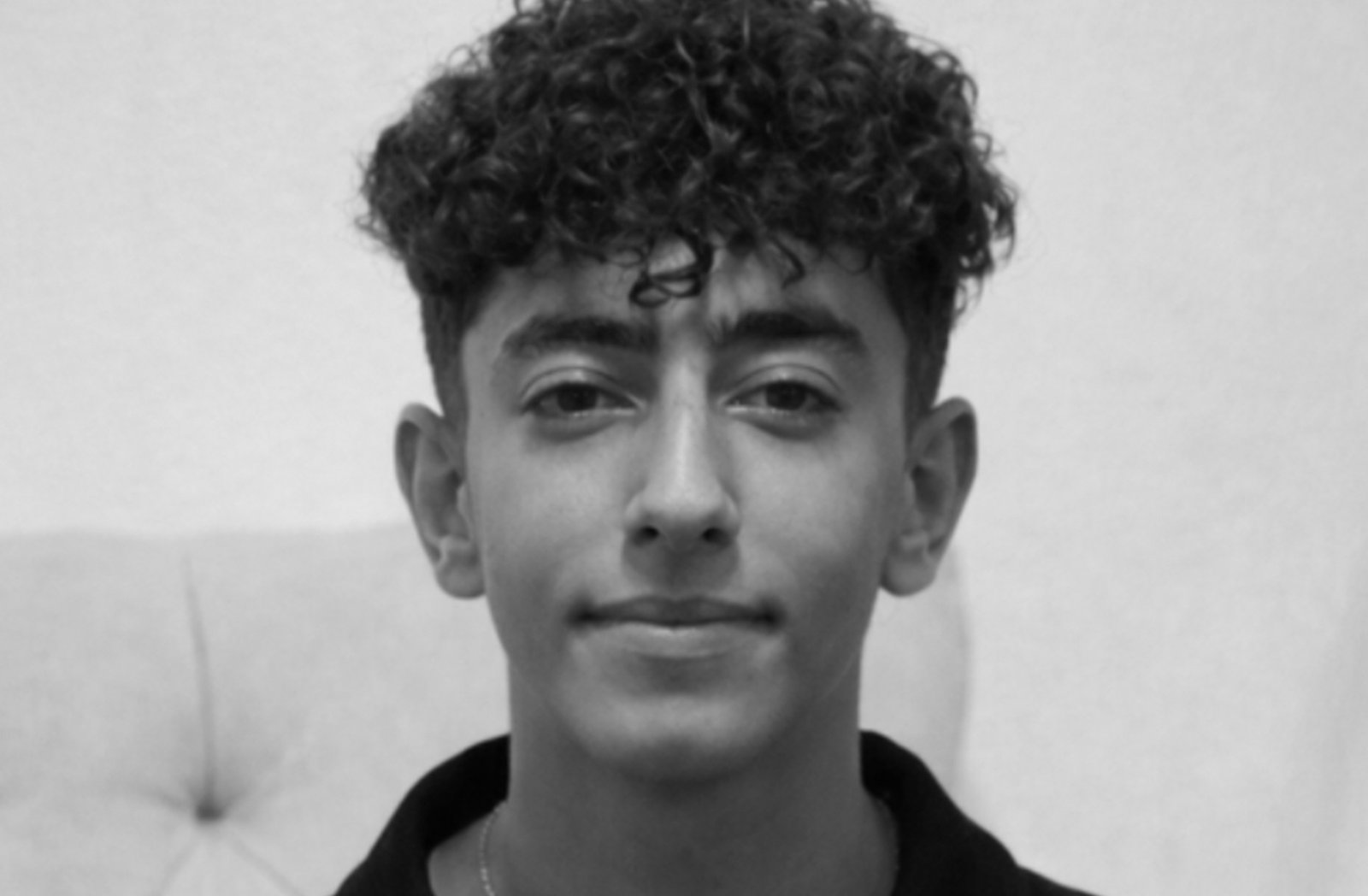
Taha Safari
Taha Safari
Taha Safari, a 15-year-old student, was killed by direct gunfire from agents of the Islamic Republic during the protests in Azna on January 1, 2026. He was originally from the village of Palangari in Kazerun County, Fars Province, and was living with his mother in Azna.
According to reports received by the Hengaw Human Rights Organization, on Thursday night, January 1, 2026, Taha Safari was shot and killed by government security forces during the popular protests in Azna. At the time of reporting, his body had not been handed over to the family.
Sources close to the family stated that after Taha was killed, government forces raided his father’s home and placed the family under pressure and threats. Several of his relatives were also summoned and interrogated by security agencies.
It is reported that Taha’s parents were separated. His mother, originally from Lorestan, lived in Azna, while during the school year Taha stayed with his mother and during school holidays he stayed with his father in Palangari village.
Further reports indicate that on Sunday, January 3, security forces showed the family Taha Safari’s body, which bore clear bullet wounds to the head and chest. Due to the severity of the injuries, his face was severely disfigured, and the family was only able to identify him by his clothing.
Sources also reported that security forces pressured the family to declare his death an “accident,” to avoid holding any funeral or public ceremony, and to bury him quietly. The family has additionally faced threats and financial pressure to remain silent and not speak to the media.
According to previous reports, Taha Safari was shot directly by security forces during the Azna protests. His body was then taken by security agents, and his family was informed of his death days later.
This case reflects a repeated pattern of concealing the cause of death, applying pressure on victims’ families, and preventing public mourning, which has raised serious concerns about ongoing human rights violations in Iran.
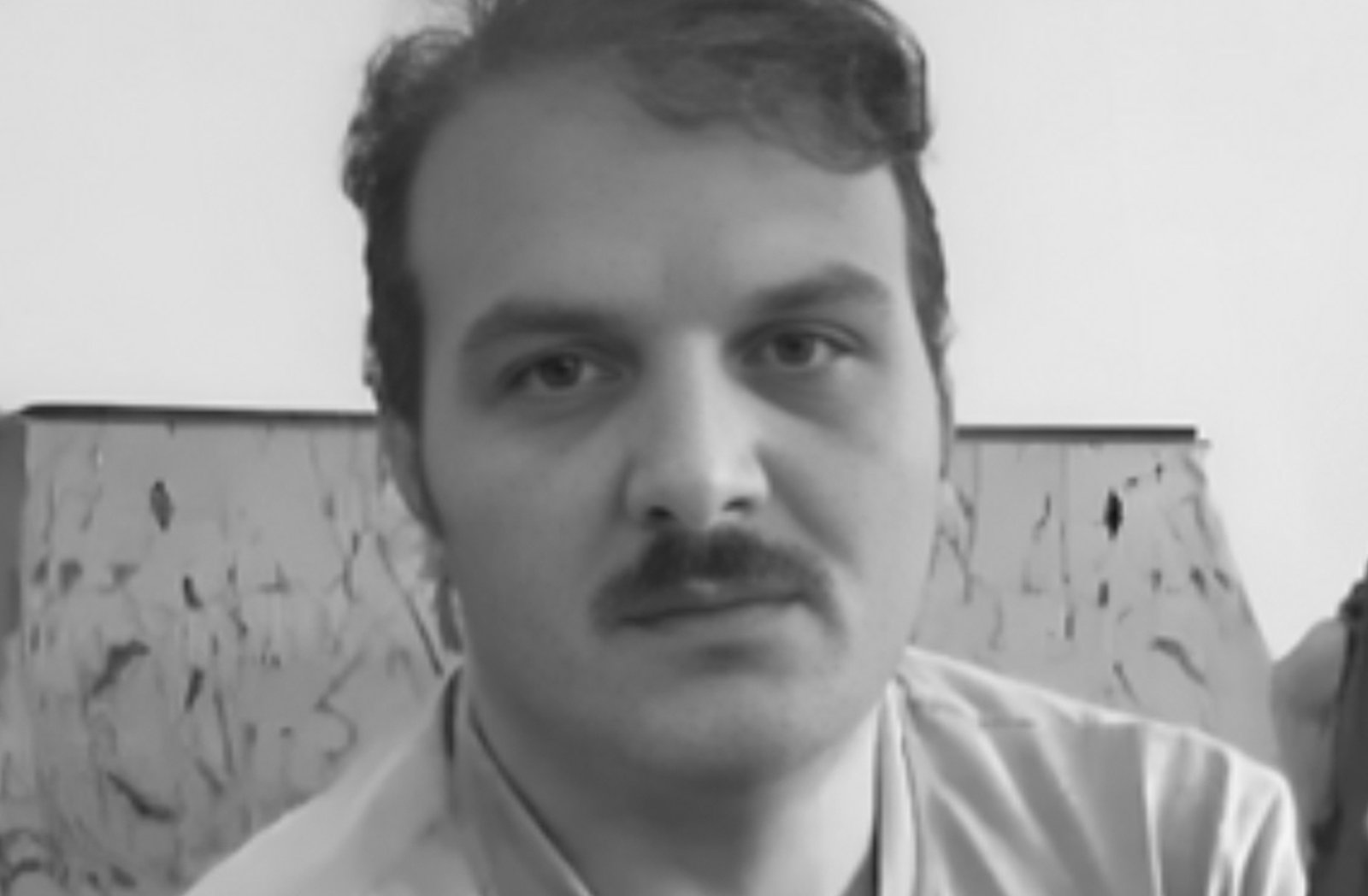
Ali Azizi Jafarabadi
Ali Azizi Jafarabadi
Age 42
Harsin, Kermanshah Province
Ali Azizi Jafarabadi, a 42-year-old resident of Harsin in Kermanshah Province, was killed on January 1, 2026, after being shot by Islamic Republic security forces during public protests in the city. He was directly targeted by live ammunition amid the crackdown on demonstrators. Ali was a father and the head of his family. Reports indicate that several other protesters were injured the same day, once again underscoring the systematic use of lethal force against civilians by Iranian security forces.
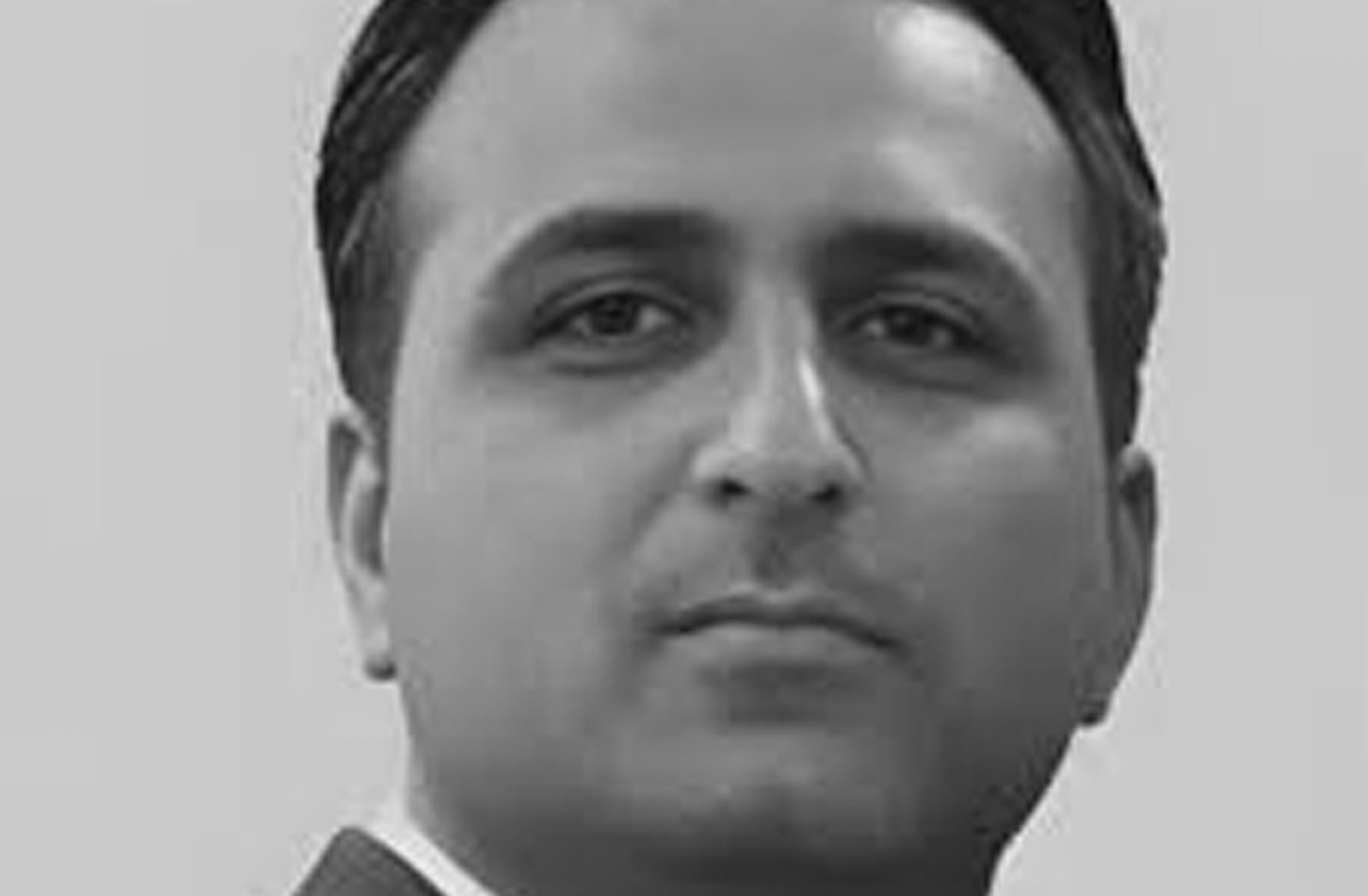
Hossein Rabei
Hossein Rabei
Age 37
Qom, Qom Province
Hossein Rabei, a 37-year-old resident of Qom, was killed on January 1, 2026, during public protests in the city. Video footage circulating on social media showed him lying on the street with severe injuries to his chest and arm. Authorities later confirmed that he was killed by military-grade tear gas fired by Islamic Republic security forces. State-affiliated media also acknowledged his death under the same circumstances.
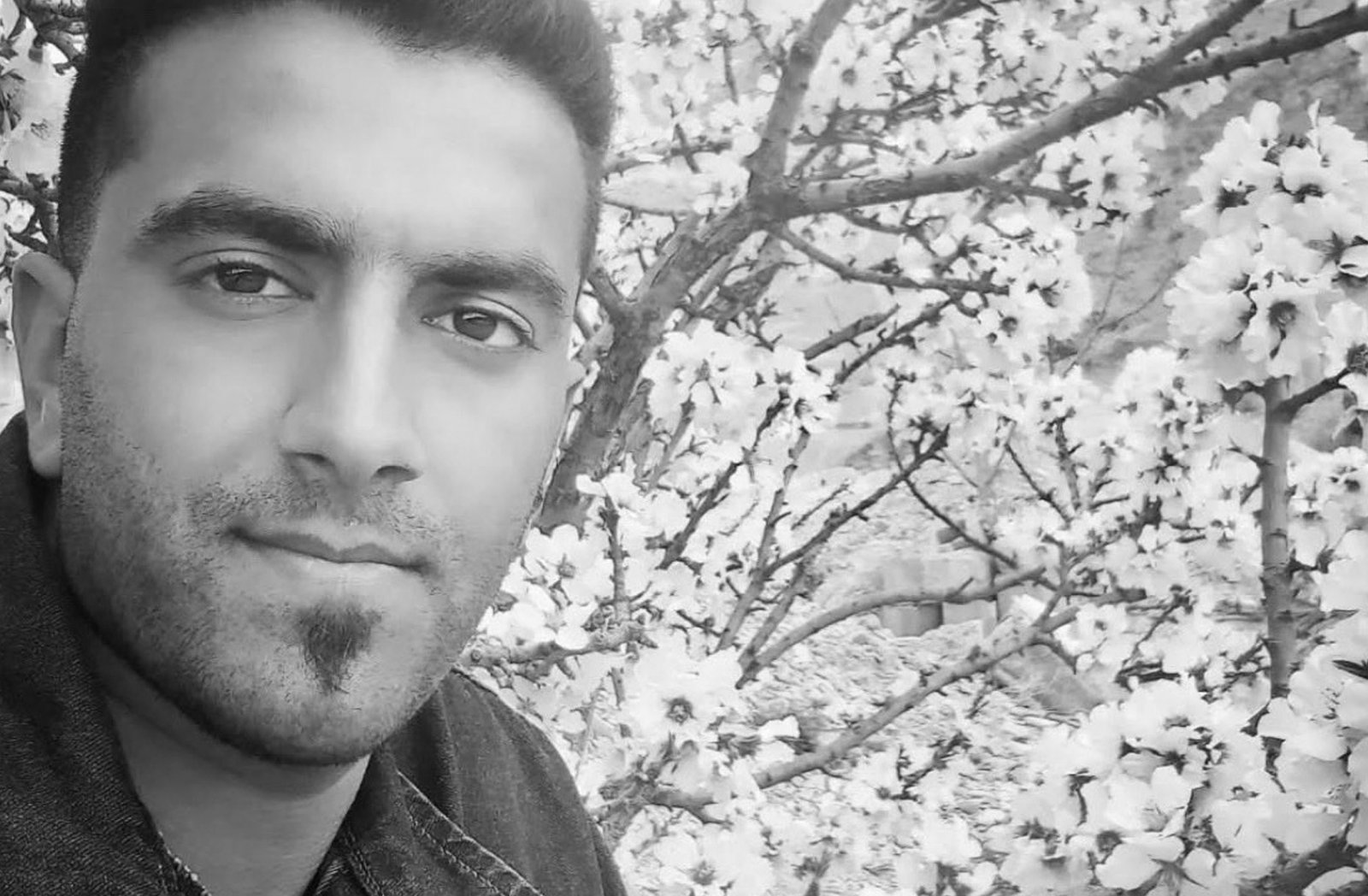
Mansour Mokhtari
Mansour Mokhtari
Marvdasht, Fars Province
Age 28
Mansour Mokhtari, a 28-year-old resident of Marvdasht in Fars Province, was killed on January 1, 2026, after being shot by Islamic Republic security forces during protests in the city. He was directly targeted by live ammunition while confronting security forces deployed to suppress demonstrators.
Reports indicate that Mokhtari was shot in the abdomen and chest. He was known as a tailor and lived a modest life in Marvdasht. His killing occurred amid a broader crackdown on protesters, once again highlighting the systematic use of lethal force against civilians by Iranian security forces.
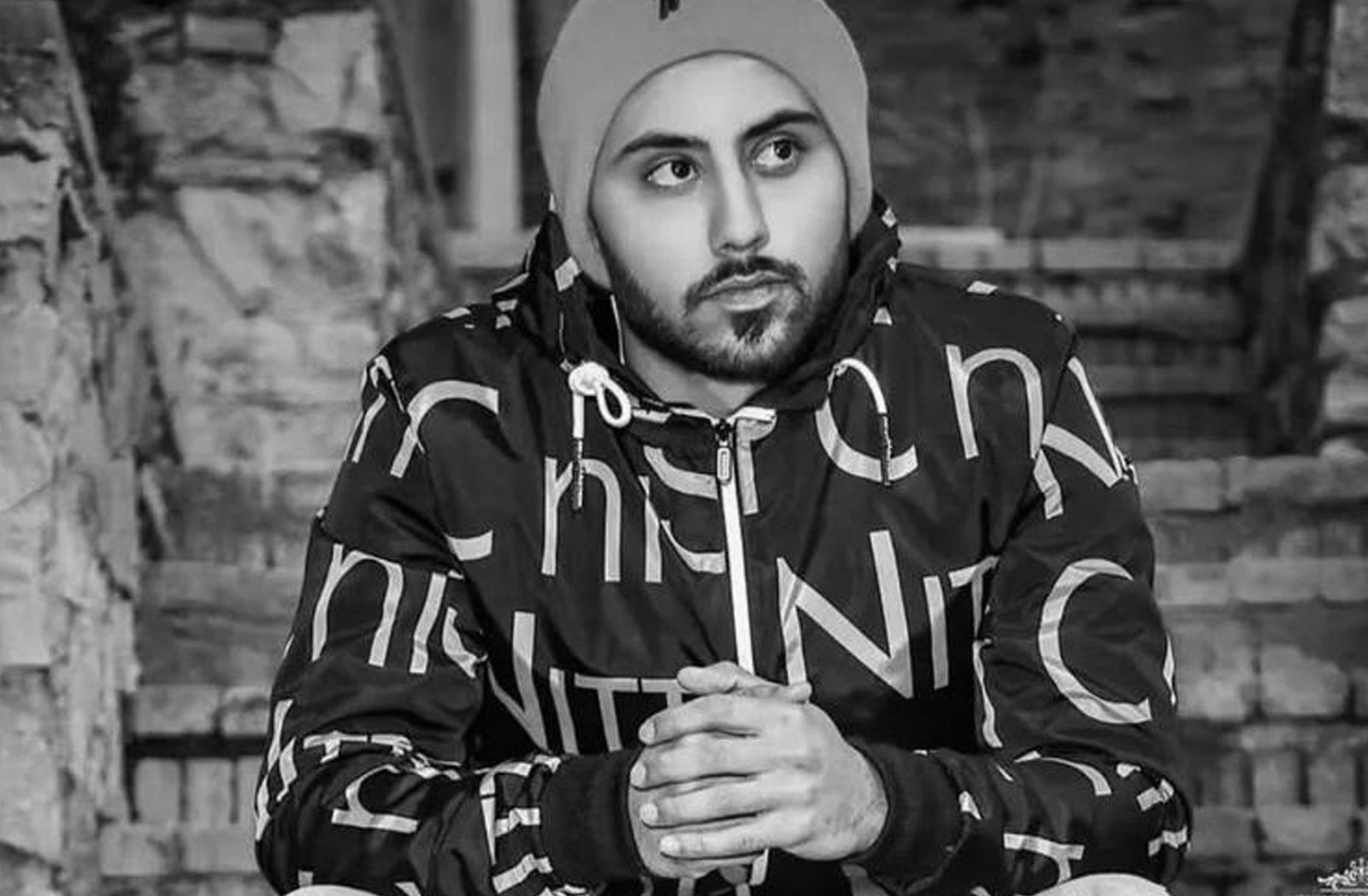
Amir Hossein Bayati
Amir Hossein Bayati
Age 30
Hamedan, Hamedan Province
Amir Hossein Bayati, a 30-year-old resident of Hamedan, was killed on January 2, 2026, during public protests in the city after being shot by Islamic Republic security forces. He was critically wounded by live ammunition and transferred to Baqiyatollah Hospital in Hamedan, where he later died due to the severity of his injuries.
According to reports, Bayati had been married for less than a year and owned a coffee shop on Bu Ali Street in Hamedan. Following his transfer to the hospital, security forces reportedly prevented his family from taking custody of his body and placed them under surveillance, confiscating several family members’ mobile phones. His killing once again highlights the use of lethal force against unarmed protesters during the January 2026 protests.
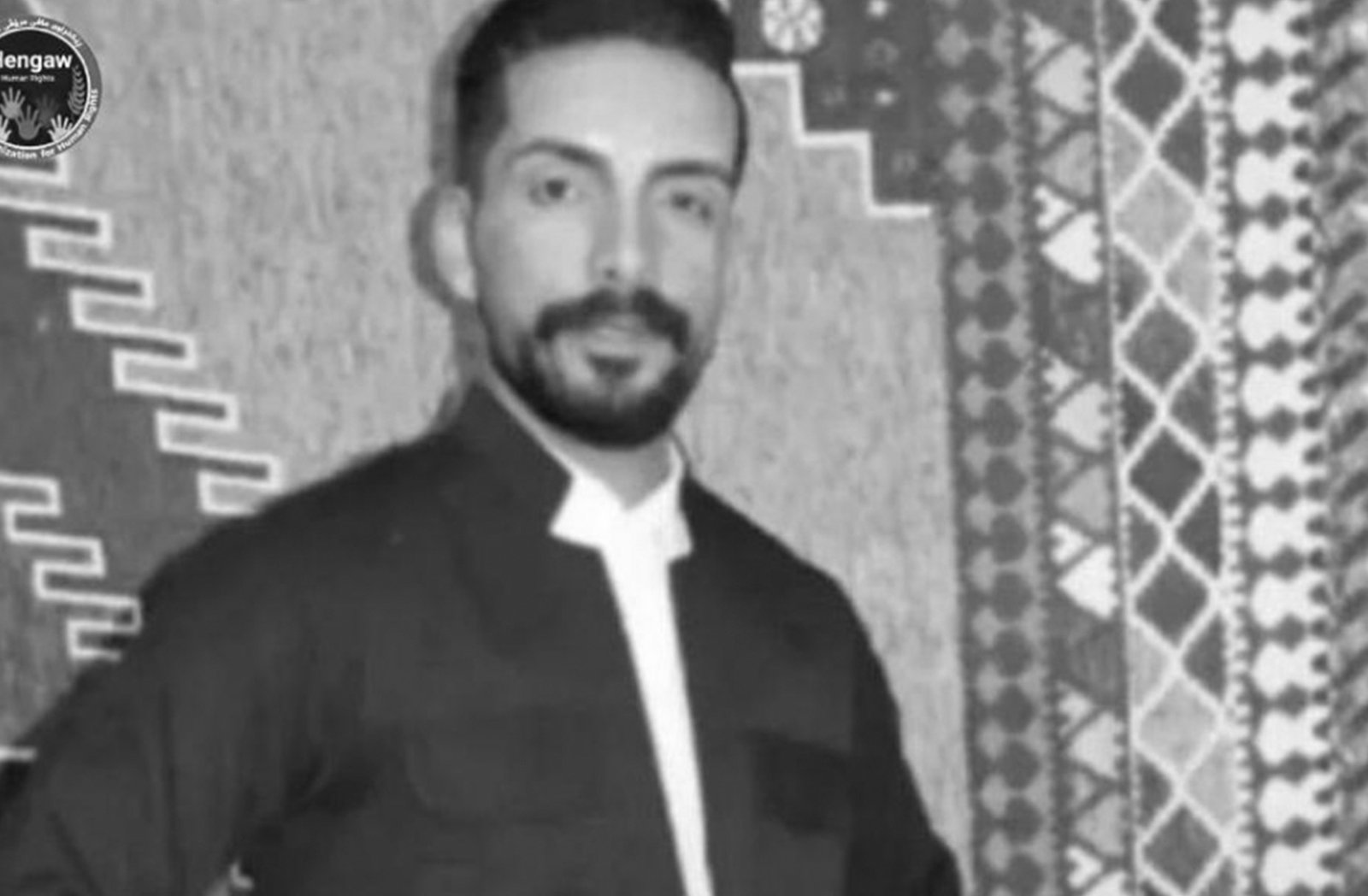
Rouhollah Setareh Moshtari
Age: 26
Location: Chenaran, Razavi Khorasan Province
Rouhollah Setareh Moshtari, a 26-year-old resident of Ghiasabad village in the Chenaran district, was killed on the evening of Wednesday, January 7, 2026. He was targeted by direct gunfire from Islamic Republic security forces using military-grade weapons (Kalashnikov rifles) on Khomeini Boulevard in Chenaran during popular protests.
Reports highlight a particularly poignant detail: Rouhollah had become a father just one day before he was killed.
Following the shooting, he was transferred to a hospital where he passed away despite medical efforts. According to informed sources, security forces attempted to bury his body secretly at night, but local citizens intervened and prevented the forced burial. As of the latest reports, his body has not yet been officially handed over to his family. He is one of at least five citizens identified as having been killed by state forces during the protests in Chenaran that night.
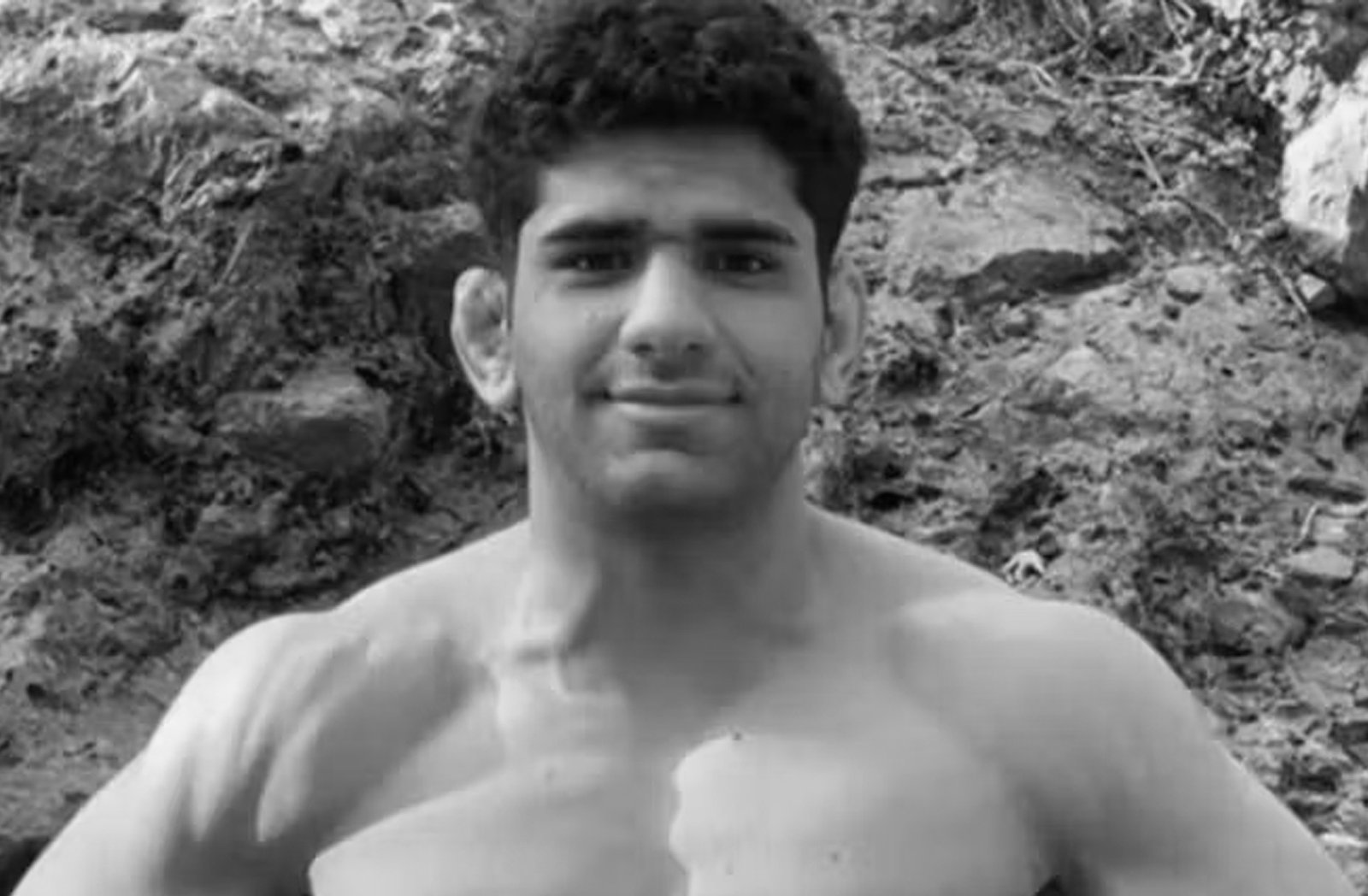
Erfan Bozorgi
Erfan Bozorgi
Marvdasht, Fars Province
Erfan Bozorgi, a resident of Marvdasht in Fars Province and a national weightlifting champion, was killed on January 12, 2026, during the public protests in the city. According to multiple reports, he was directly shot by Islamic Republic security forces amid the violent crackdown on demonstrators. Erfan sustained a gunshot wound to the head and later died in hospital. His killing is part of the broader pattern of lethal force used against unarmed civilians during the January 2026 protests in Iran.
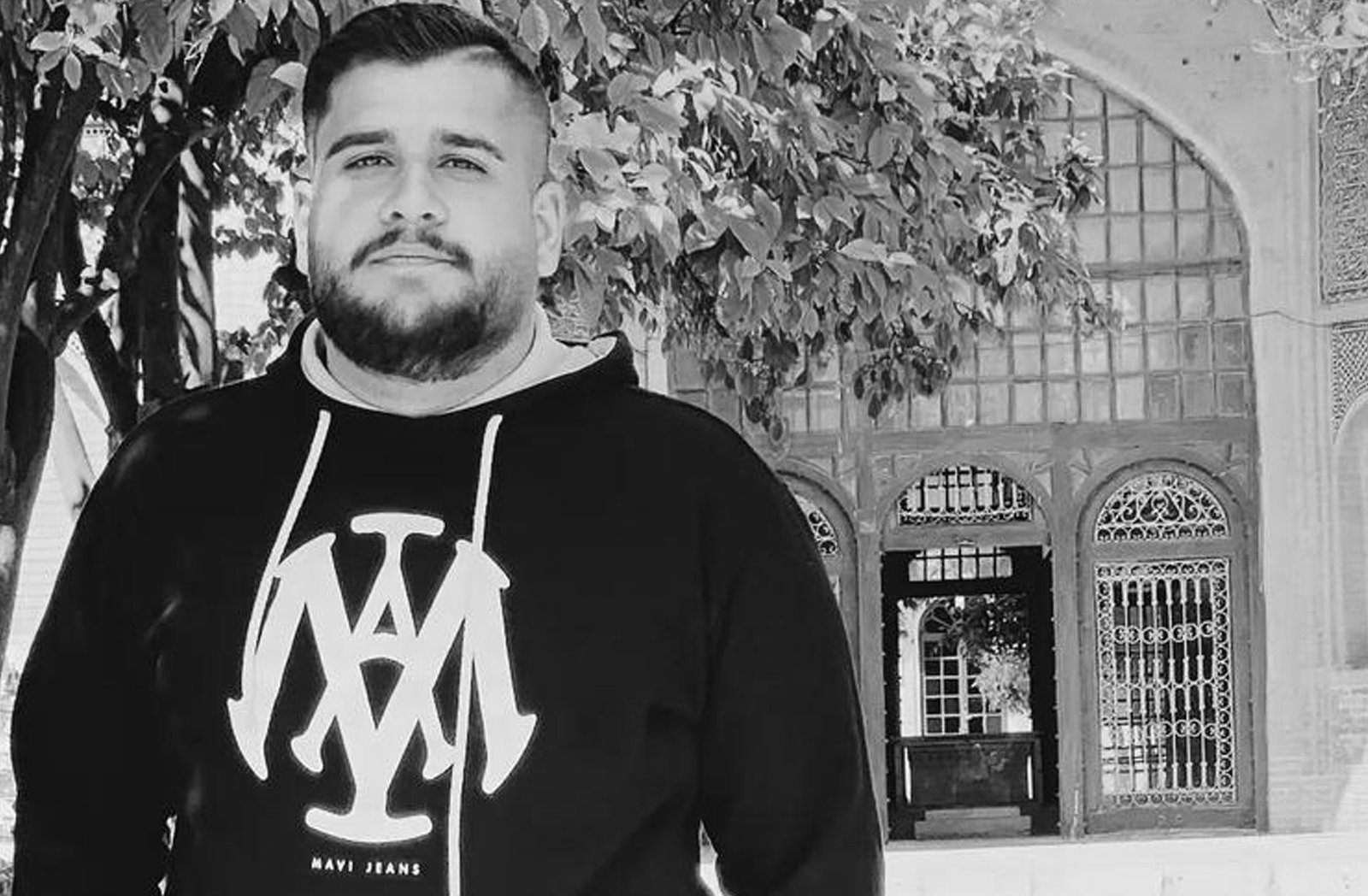
Amir Mohammad
Amir Mohammad Kouhkan
Age 26
Neyriz, Fars Province
Amir Mohammad Kouhkan, a 26-year-old football referee and coach from Neyriz in Fars Province, was killed on the night of January 1, 2026, after being shot directly in the chest by Islamic Republic security forces during nationwide protests. He was unarmed at the time of the shooting. Prior to his death, Amir Mohammad had written to a friend expressing his fear and awareness of the risks of going into the streets, saying he felt he might become “one of the first to be killed.” Reports indicate that security forces later withheld his body from the family and placed them under pressure, once again highlighting the systematic use of lethal force and intimidation against civilians during the January 2026 protests.
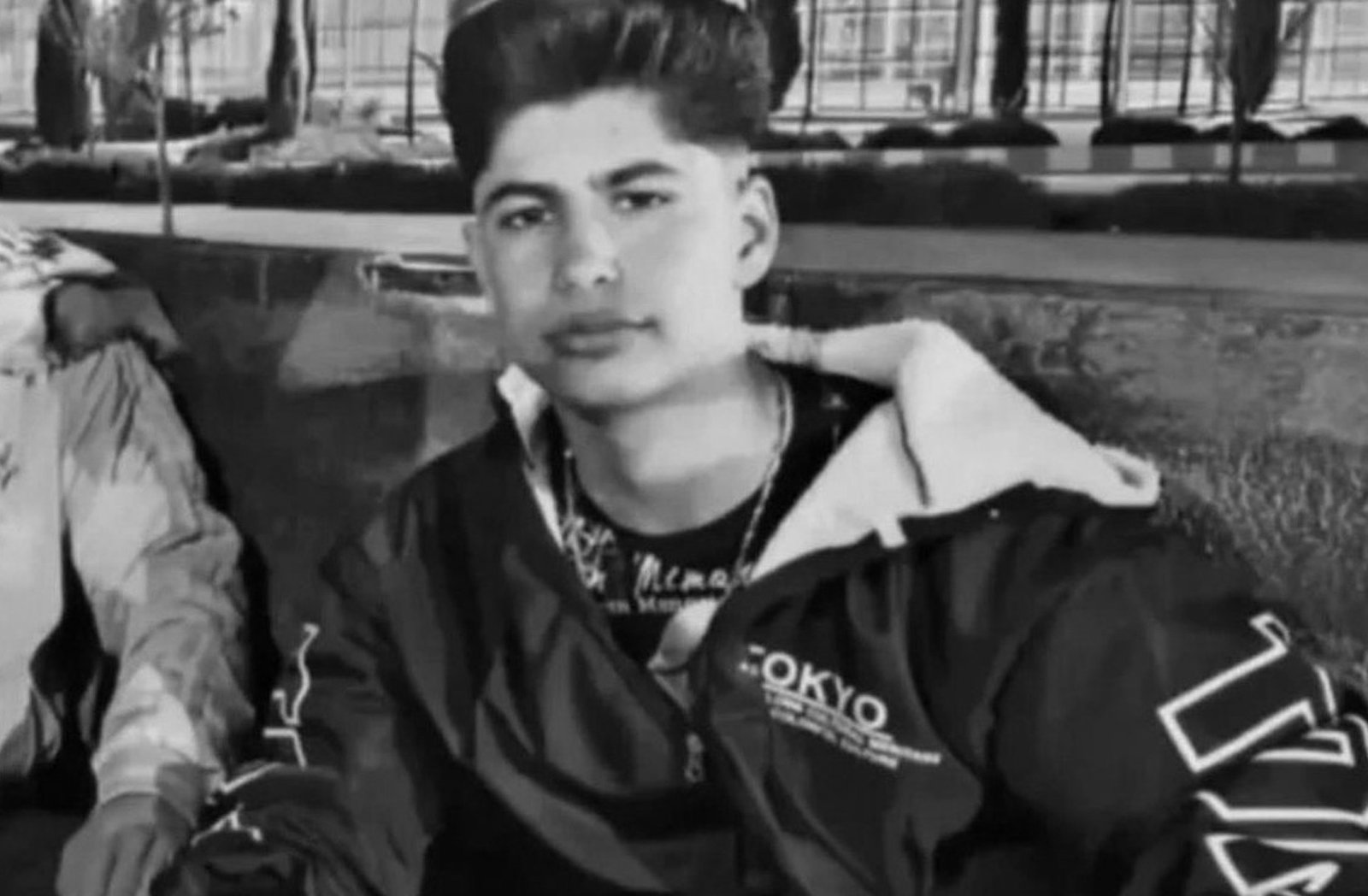
Mohammad Qasem Rousta
Mohammad Qasem Rousta
Age 16
Marvdasht, Fars Province
Mohammad Qasem Rousta, a 16-year-old resident of Marvdasht in Fars Province, was killed on January 12, 2026, after being shot by Islamic Republic security forces during nationwide protests. Reports indicate that he was directly targeted with live ammunition in a public area amid the crackdown on demonstrators. Mohammad Qasem was a minor and unarmed at the time of the shooting. Multiple human rights sources and independent media confirmed his death. Following the killing, there were reports of pressure on his family regarding the handling of his body and burial arrangements, once again highlighting the systematic use of lethal force and intimidation against civilians, including children, during the January 2026 protests in Iran.
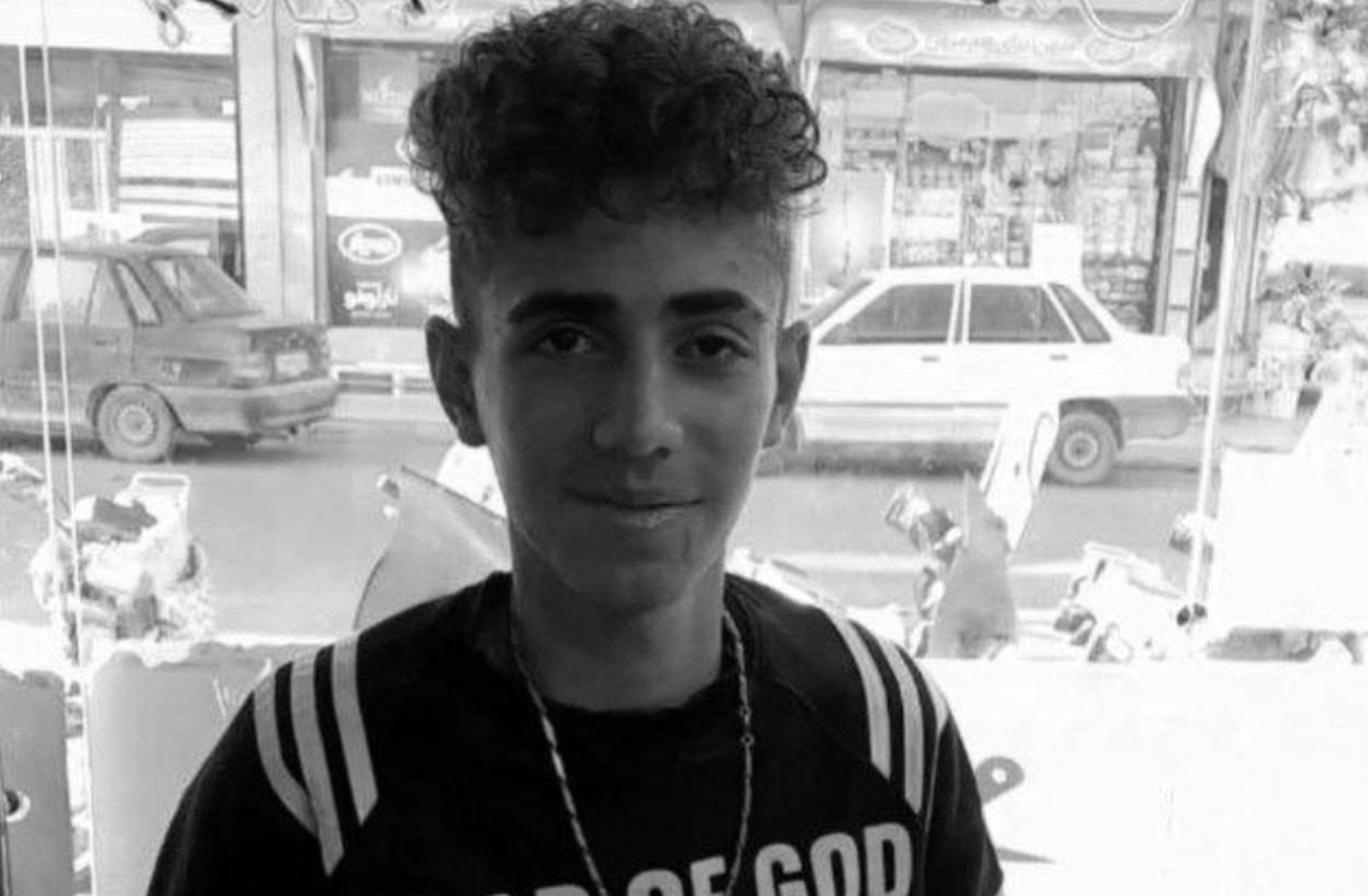
Mohammad Noori
Mohammad Noori
Age 17
Qom, Qom Province
Mohammad Noori, a 17-year-old teenager from Qom, was killed on January 2, 2026, after being shot by Islamic Republic security forces during the protests in the city. He was directly targeted while protesters were being attacked by security forces in the Towhid Square area.
According to reports, after Mohammad was injured, his friends informed his family, and despite being unconscious, he was transferred to a nearby medical clinic at his mother’s insistence. He later died as a result of a shotgun pellet striking his chest.
Following his death, security forces reportedly withheld his body from the family, carried out a forced burial without their consent, and threatened his parents to prevent any public mourning or memorial ceremonies. These actions once again underscore the systematic use of lethal force, intimidation, and collective punishment against civilians and grieving families during the January 2026 protests in Iran.
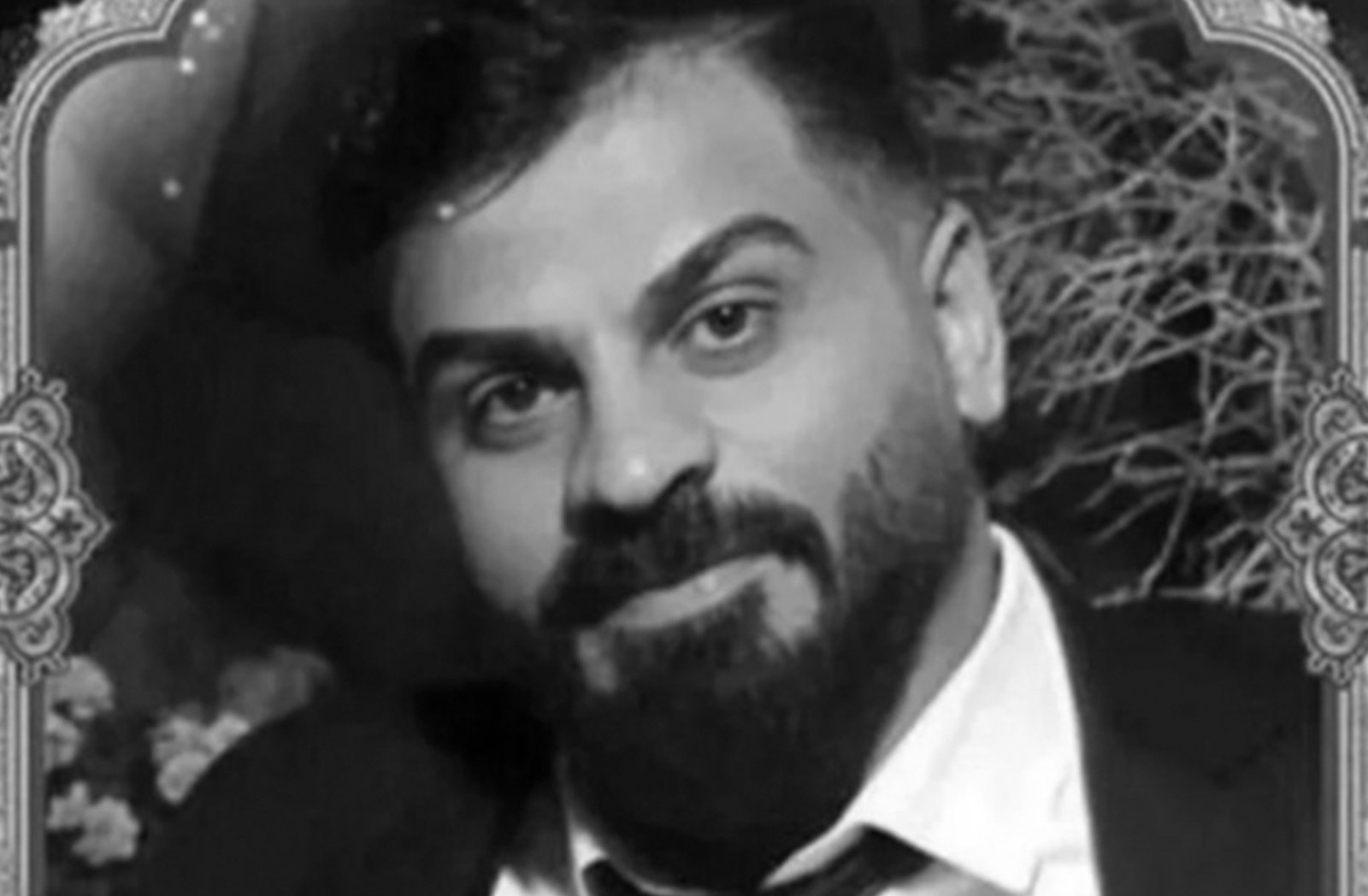
Mehdi Emamipour
Mehdi Emamipour
Age: Not publicly confirmed
Malekshahi County, Ilam Province (Kurdish citizen)
Mehdi Emamipour, a Kurdish citizen from Malekshahi County in Ilam Province, was killed on Saturday, January 3, 2026 (13 Dey 1404), during public protests in the city. According to reports cited in the entry, Islamic Revolutionary Guard Corps (IRGC) forces opened fire on protesters who were moving through the city streets. Mehdi Emamipour was seriously injured by direct gunfire and was transferred to Imam Khomeini Hospital in Ilam, where he later died from the severity of his injuries.
Reports also state that multiple people were killed on the same day in Malekshahi and that more than 30 individuals were injured. State-affiliated media reportedly claimed protesters were armed, while local witnesses and activists rejected that claim.
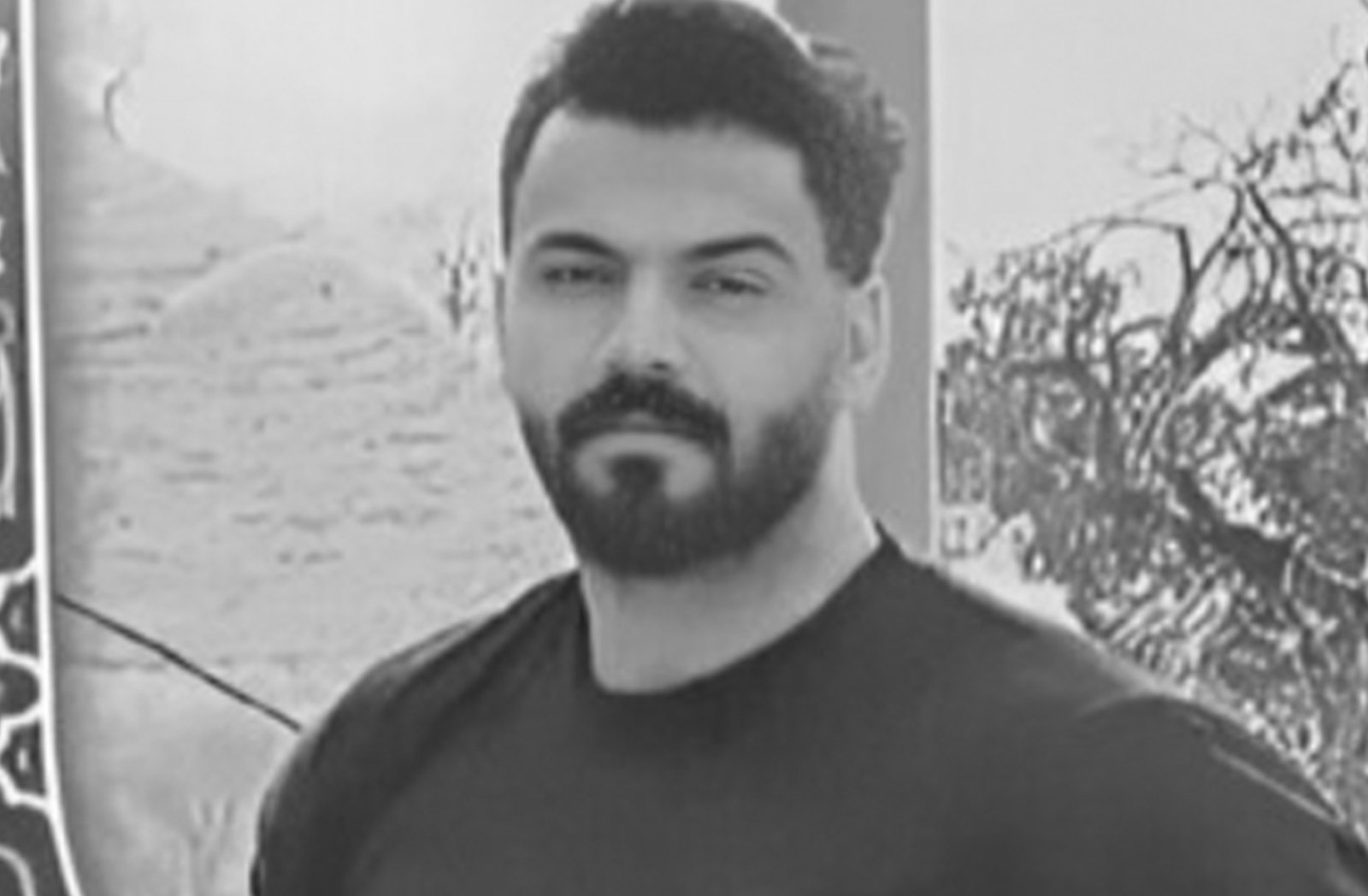
Reza Azimzadeh
Reza Azimzadeh
Age: Not publicly reported
Malekshahi, Ilam Province
Reza Azimzadeh was killed on January 13, 2026, in Malekshahi, Ilam Province, after being shot directly by Islamic Revolutionary Guard Corps (IRGC) forces during the nationwide protests. According to reports, he was participating in public demonstrations when security forces opened fire on protesters in the streets. Reza Azimzadeh sustained severe gunshot injuries and was transferred to Khomeini Hospital in Ilam, where he later died as a result of his wounds.
Reports indicate that the killing of Reza Azimzadeh occurred on the same day as the deaths of several other protesters in Malekshahi, amid a broader security crackdown in the city. The incident took place as part of widespread protests driven by economic hardship and political repression, despite official state media claims that protesters were armed, which were denied by local witnesses and activists.
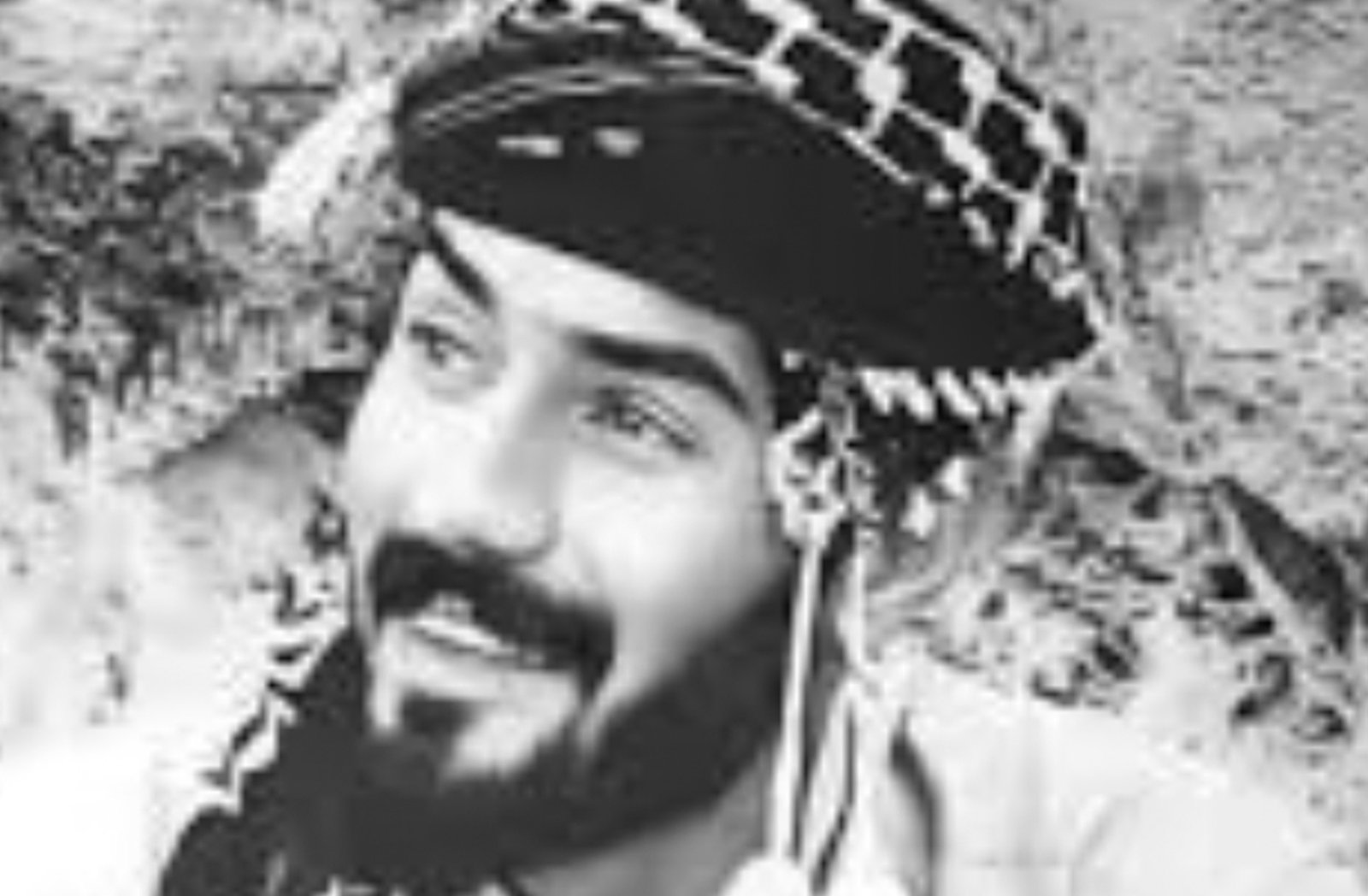
Faraz Aghamohammadi
Faraz Aghamohammadi
Malekshahi, Ilam Province
Faraz Aghamohammadi, one of the protesters in the city of Malekshahi in Ilam Province, was killed on January 3, 2026 (13 Dey 1404) after being shot directly by Islamic Revolutionary Guard Corps (IRGC) forces during public protests.
According to reports, Faraz was actively participating in peaceful demonstrations when security forces opened fire on protesters, turning the protests into a violent confrontation. He was killed as a result of direct gunfire.
The same incident reportedly led to the killing of three other protesters and the injury of dozens more. These events were part of a wider wave of protests that spread to several Iranian cities, including Tehran and Kuhdasht, highlighting the systematic use of lethal force by security forces against civilians during the January 2026 protests.
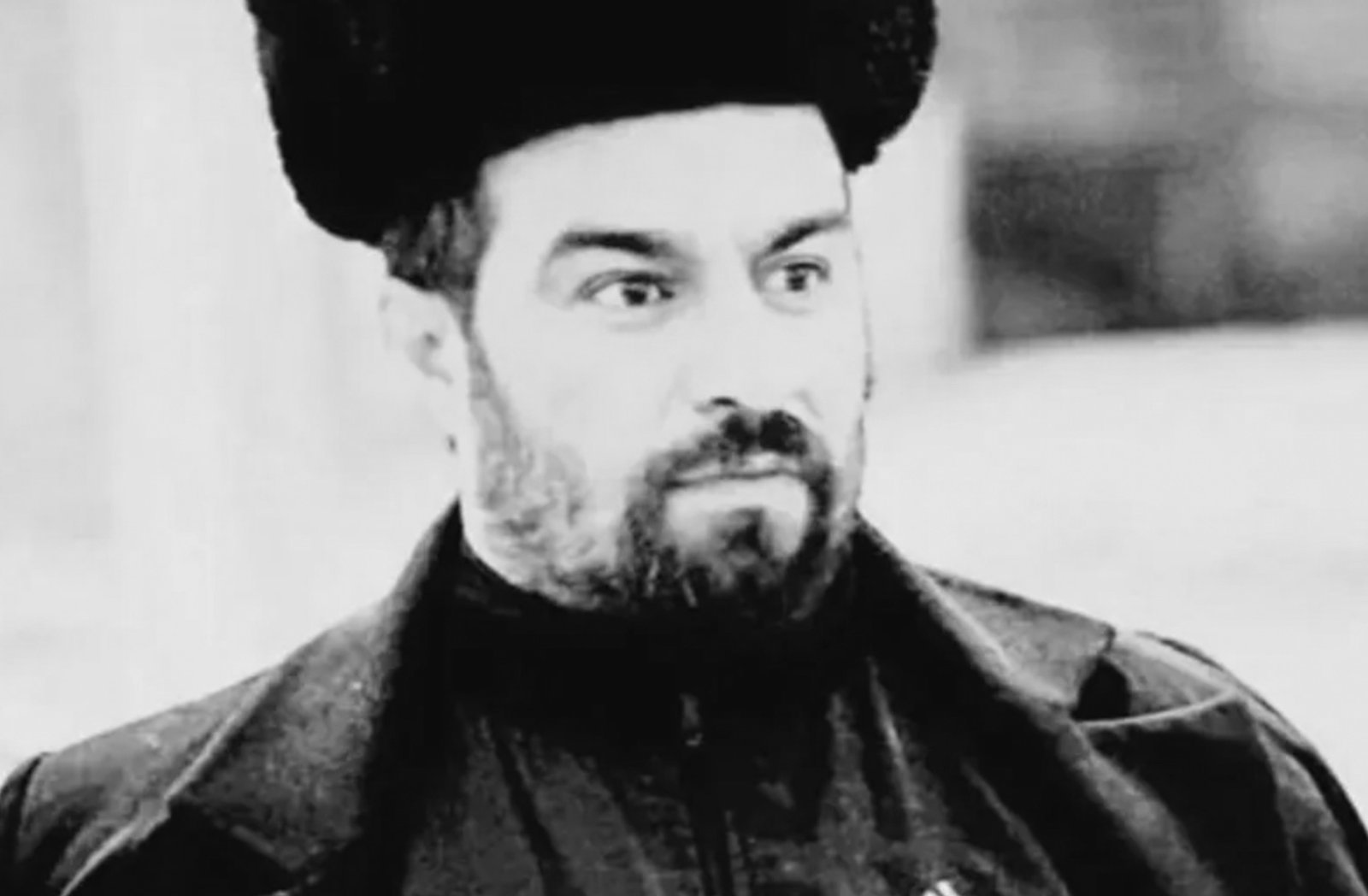
Mohammad Moghaddasi (Bezuneh)
Mohammad Moghaddasi (Bezuneh)
Malekshahi, Ilam Province
Mohammad Moghaddasi, known as Bezuneh, was confirmed killed during the January 2026 protests in Malekshahi, Ilam Province. However, reliable details about the circumstances of his killing remain limited, and only his name has been reported alongside other victims, without independent, detailed documentation.
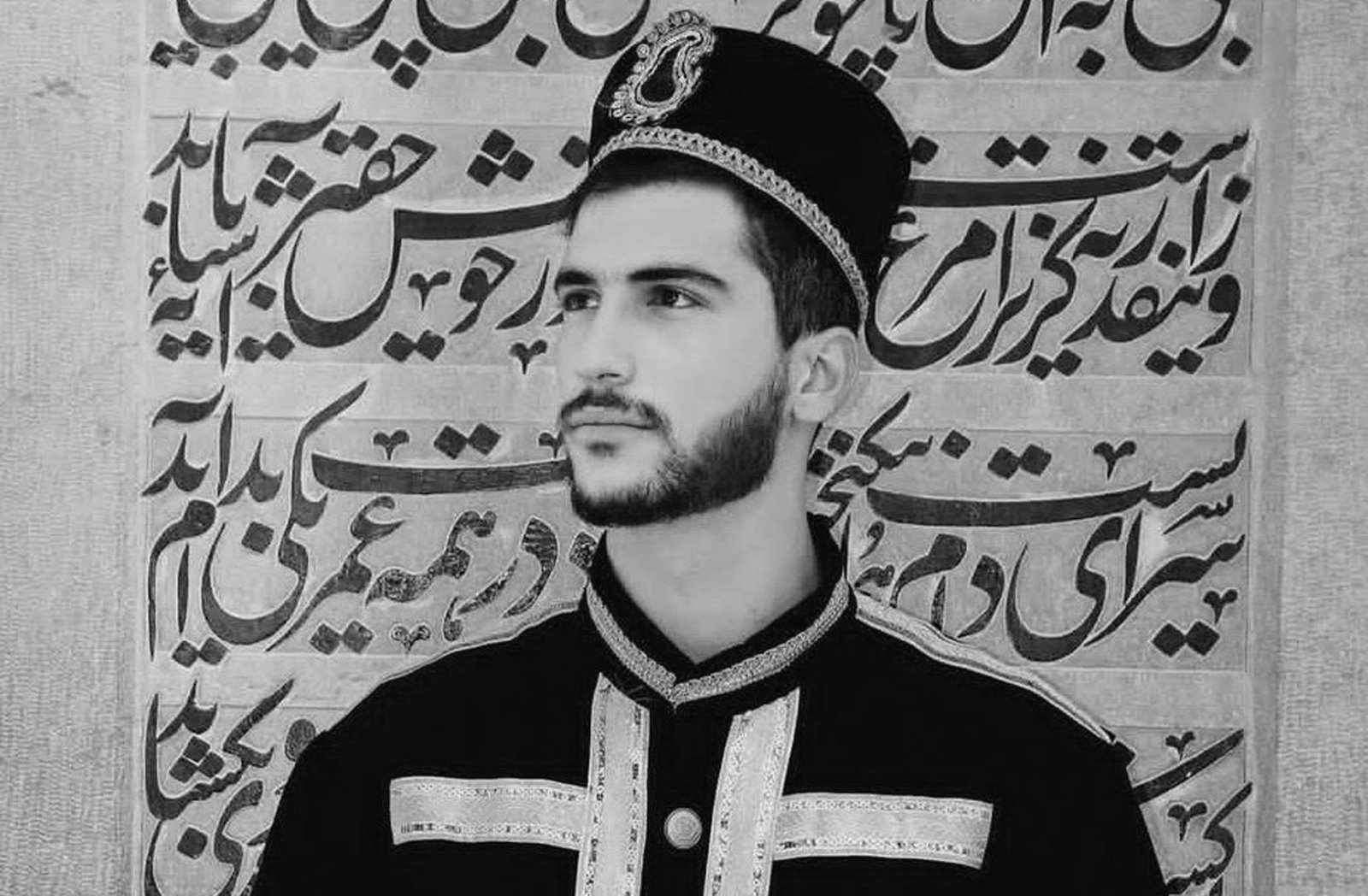
Soroush (Hafez) Soleimani
Soroush (Hafez) Soleimani
Age: Unknown
Harsin, Kermanshah Province
Soroush Soleimani was killed during the January 2026 protests in Harsin, Kermanshah Province. Multiple reports confirm that he was shot by Islamic Republic security forces on January 13, 2026. His death has been confirmed, while some personal details remain unavailable due to restrictions on access to information and verification on the ground.
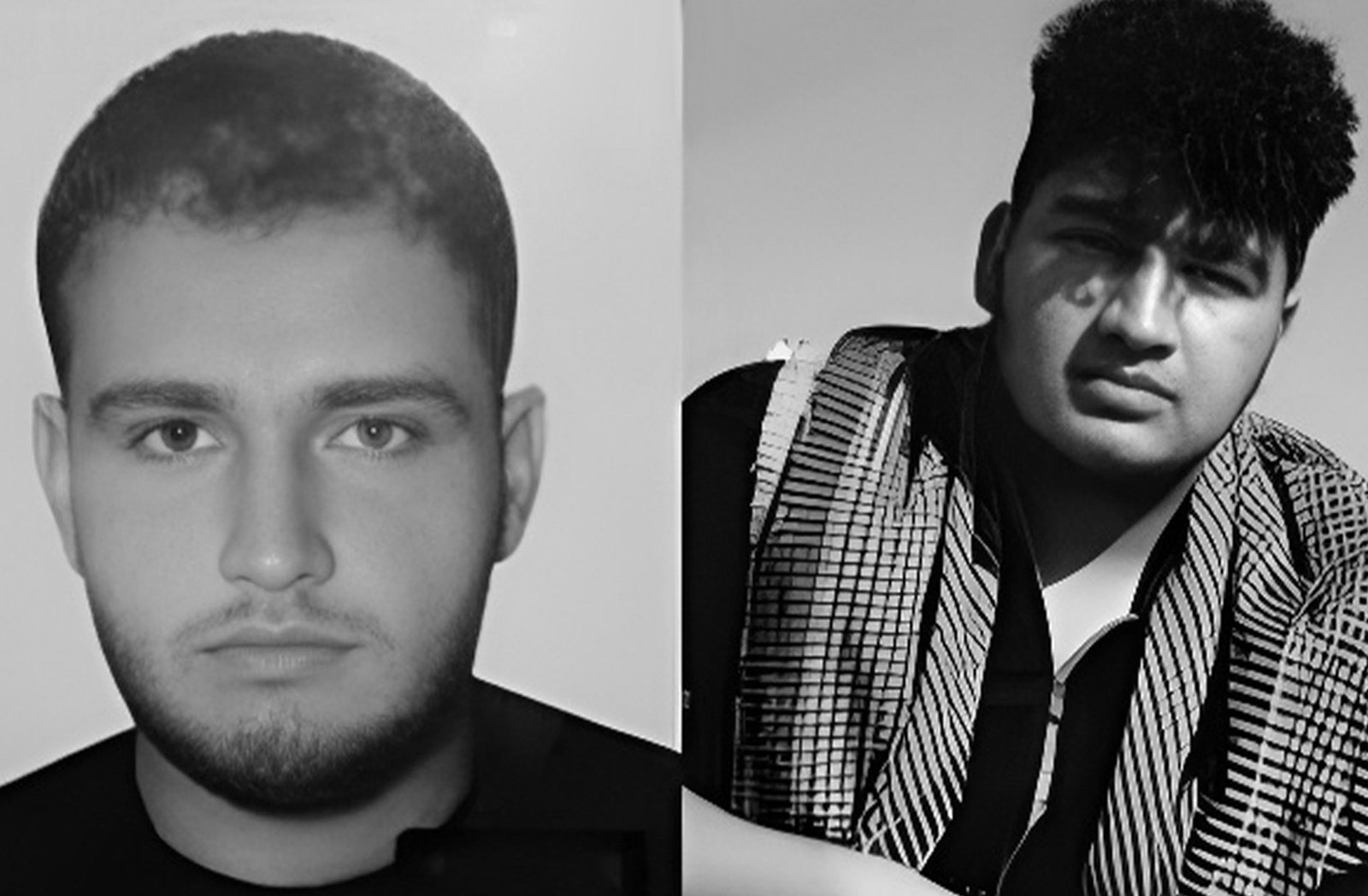
Reza & Rasoul Kadiourian
Reza & Rasoul Kadiourian
Ages: Reza 20, Rasoul 17
Kermanshah, Kermanshah Province
Reza Kadiourian and Rasoul Kadiourian were two brothers killed during the January 2026 protests in the Jafarabad neighborhood of Kermanshah.
On the night of Saturday, January 3, 2026 (13 Dey 1404), both brothers were shot with live ammunition by Iranian security forces during street protests on Artesh Street. Rasoul died after being transferred to Taleghani Hospital. Reza was placed in intensive care in a coma and died the following day due to the severity of his injuries.
According to BBC Persian’s fact-checking unit, with confirmation from the Kurdistan Human Rights Network, both deaths have been verified. Reports indicate that both brothers were workers.
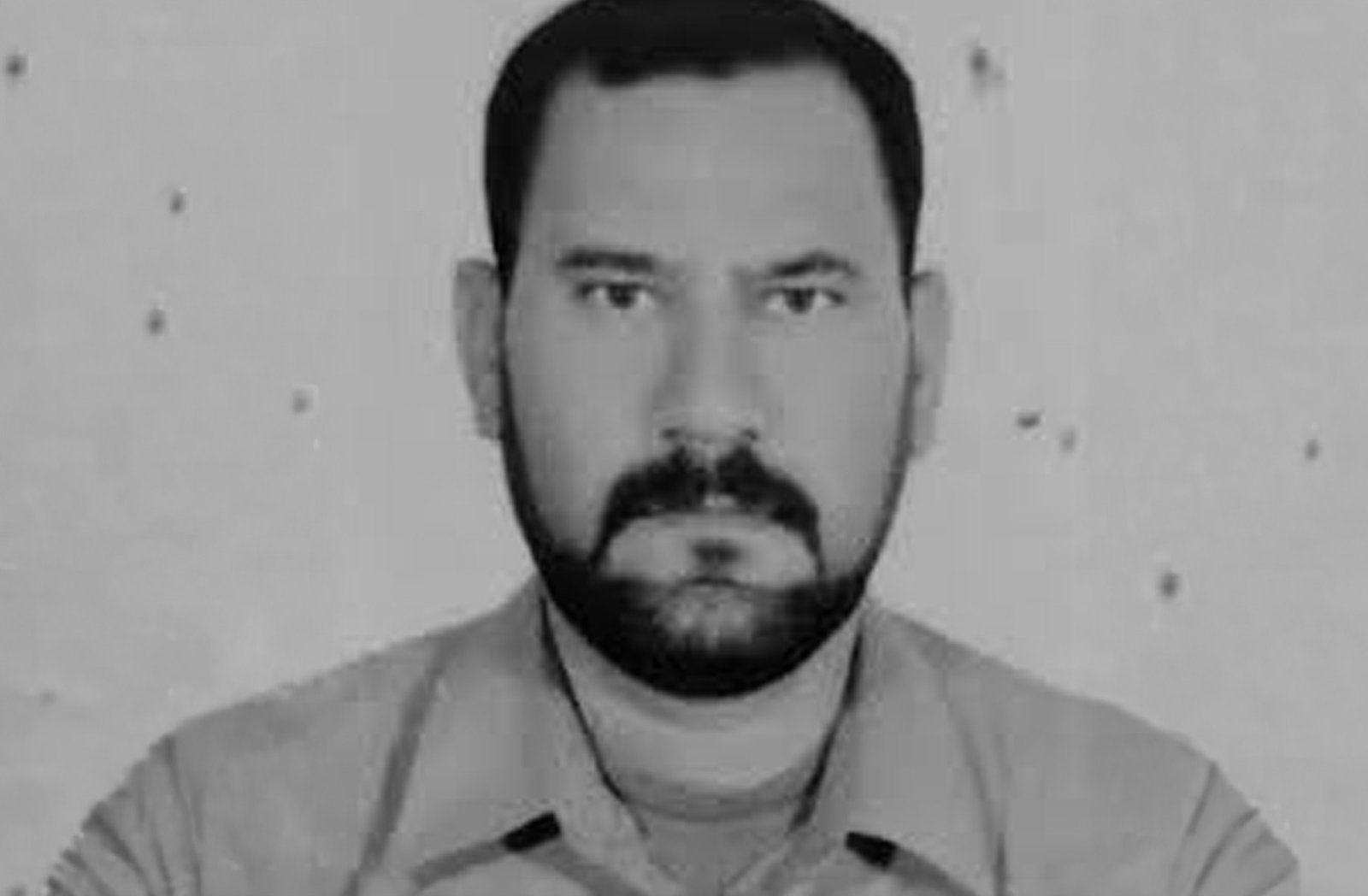
Latif Karimi
Age: Middle-aged (Retired Brigadier General)
Location: Malekshahi, Ilam Province
Latif Karimi, a Kurdish citizen and retired brigadier general from Malekshahi, was killed on January 3, 2026, after being targeted by direct gunfire from Islamic Republic security forces during popular protests. According to eyewitnesses, he was shot by IRGC forces while standing among the protesters in his home city.
Reports indicate that Mr. Karimi was participating in the demonstrations when he was struck by live ammunition. He was subsequently transferred to Khomeini Hospital in Ilam, where he passed away due to the severity of his injuries. His son, Emad Karimi, confirmed the circumstances of his father's death on social media, stating that his father was killed simply for telling the security forces, "Do not shoot at the people."
Following the incident, state-affiliated media outlets attempted to distort the facts by claiming Mr. Karimi was a government loyalist killed by "rioters." However, testimony from witnesses and his own family members refutes these claims, highlighting a recurring state pattern of "narrative-building" to misrepresent victims of state violence as supporters of the regime. Similar tactics were reportedly used in the recent cases of Amir-Hesam Khodayari-Fard and Ali Azizi in Koohdasht and Harsin.
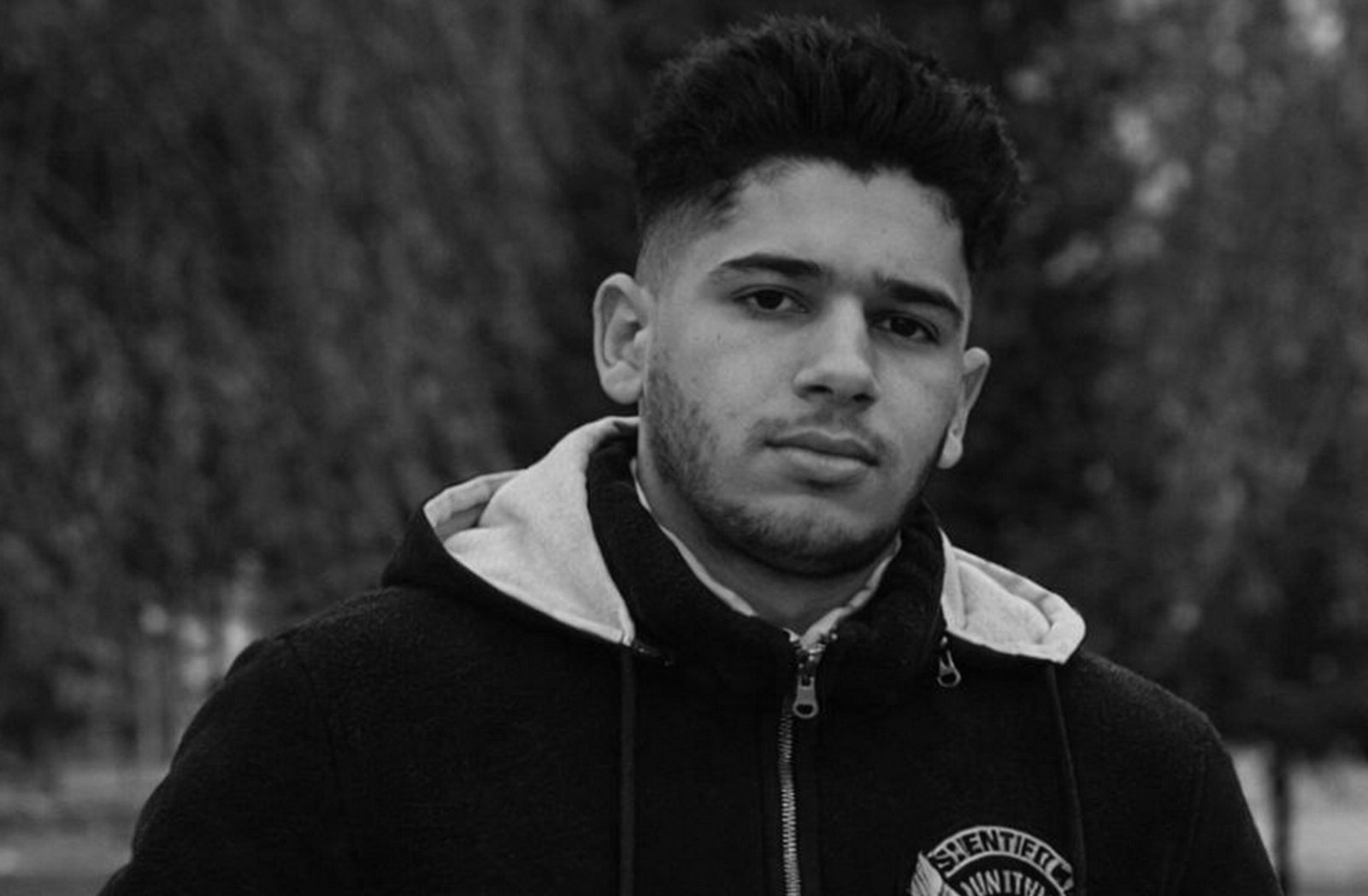
Reza Ghanbari
Age: 17 Location: Kermanshah, Kermanshah Province
Reza Ghanbari, a 17-year-old child laborer and Kurdish student from the Jafarabad neighborhood of Kermanshah, was killed on the evening of January 3, 2026, after being shot by Islamic Republic security forces. He was targeted during protests on Artesh Street when IRGC forces launched an assault on a gathering of citizens. He died almost instantly after being shot at close range in the back and side.
Reports indicate that following the killing, security forces seized his body and refused to hand it over to his family for two days. Despite a public funeral notice being issued, the family was ultimately forced under heavy security pressure and repeated threats to bury him secretly without the presence of the public in the village of Jabarabad-e Sofla (Bilovar).
Security agencies reportedly pressured the family to falsely claim that their son was a member of the "Basij" and had been killed by protesters. The family has refused to accept these demands. Reza was the son of Mohsen and was raised by his grandmother. Two other young brothers, Rasoul Kedivarian (18) and Reza Kedivarian (20), were also killed in the same area during these protests.
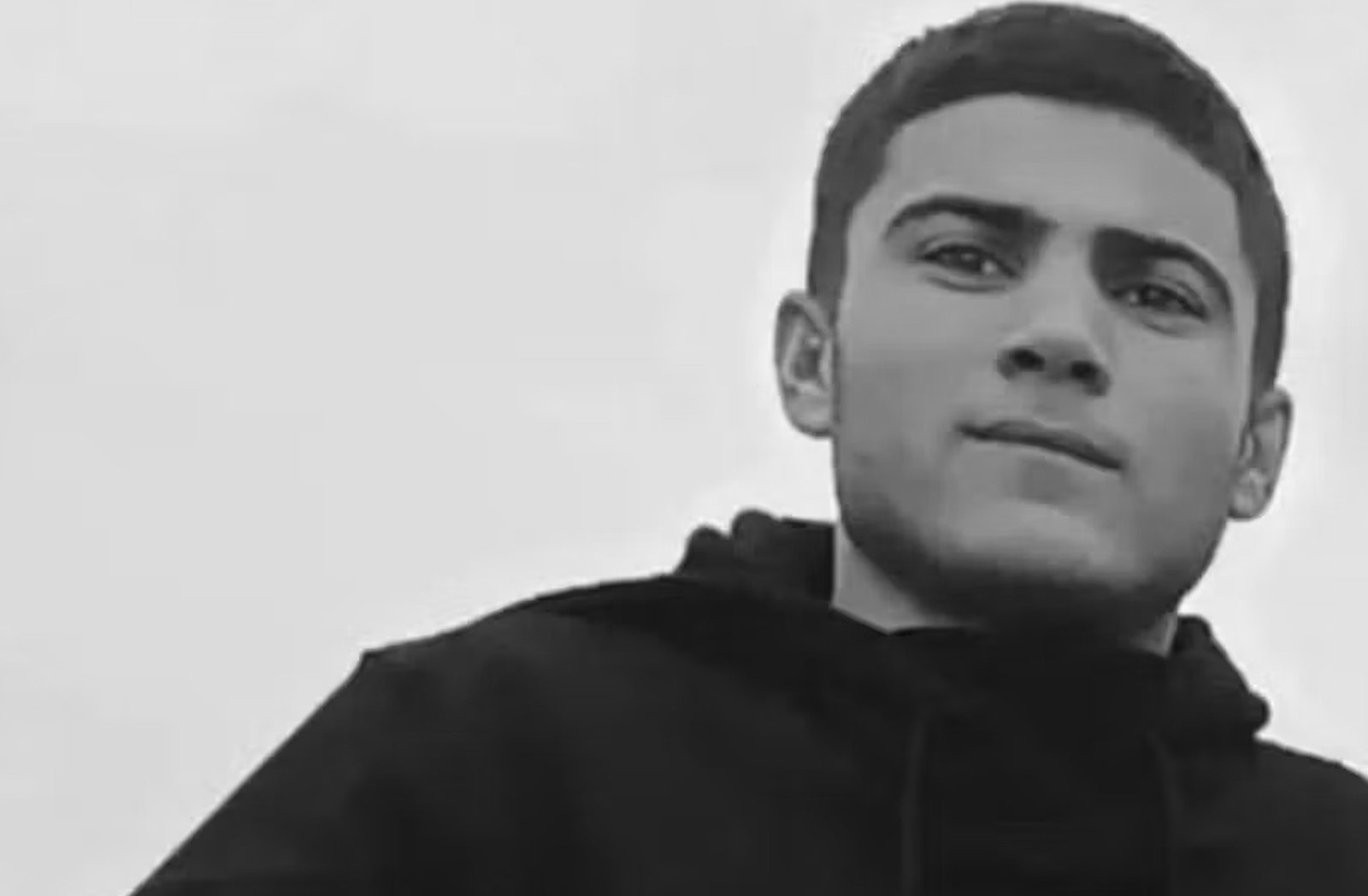
Reza Moradi Abdolvand
Age: 17–18 (Born 2007/2008)
Location: Azna, Lorestan Province
Reza Moradi Abdolvand, a teenager and Lur citizen from Azna, died on January 5, 2026, after spending four days in a coma due to injuries sustained from direct gunfire by security forces. He was shot on the evening of January 1, 2026, during protests in front of Azna's central police station and Jihad Boulevard. Reports state he was struck by two bullets—one to the head and another to his side/torso—fired from the roof of the police station.
Following the shooting, he was transferred to the intensive care unit of Valian Hospital in Aligudarz. During his hospitalization, the facility was under heavy security; his mother was only permitted a brief visit after repeated insistence, while other family members were barred from seeing him.
After his death, security agencies pressured the family to falsely declare him a member of the Basij or to claim he died in a car accident. His body was eventually buried at 4:00 AM on January 6, 2026, in the village of Dowlatabad under strict security measures. Security forces restricted the funeral to only two family members and reportedly prohibited his mother from attending the burial.
Reza was the eldest of four brothers and worked as an apprentice in an auto body repair and paint shop to support his family's livelihood after leaving school in the 8th or 9th grade. He was an avid wrestling fan and was described by those close to him as a courageous "Pahlavan" (hero).
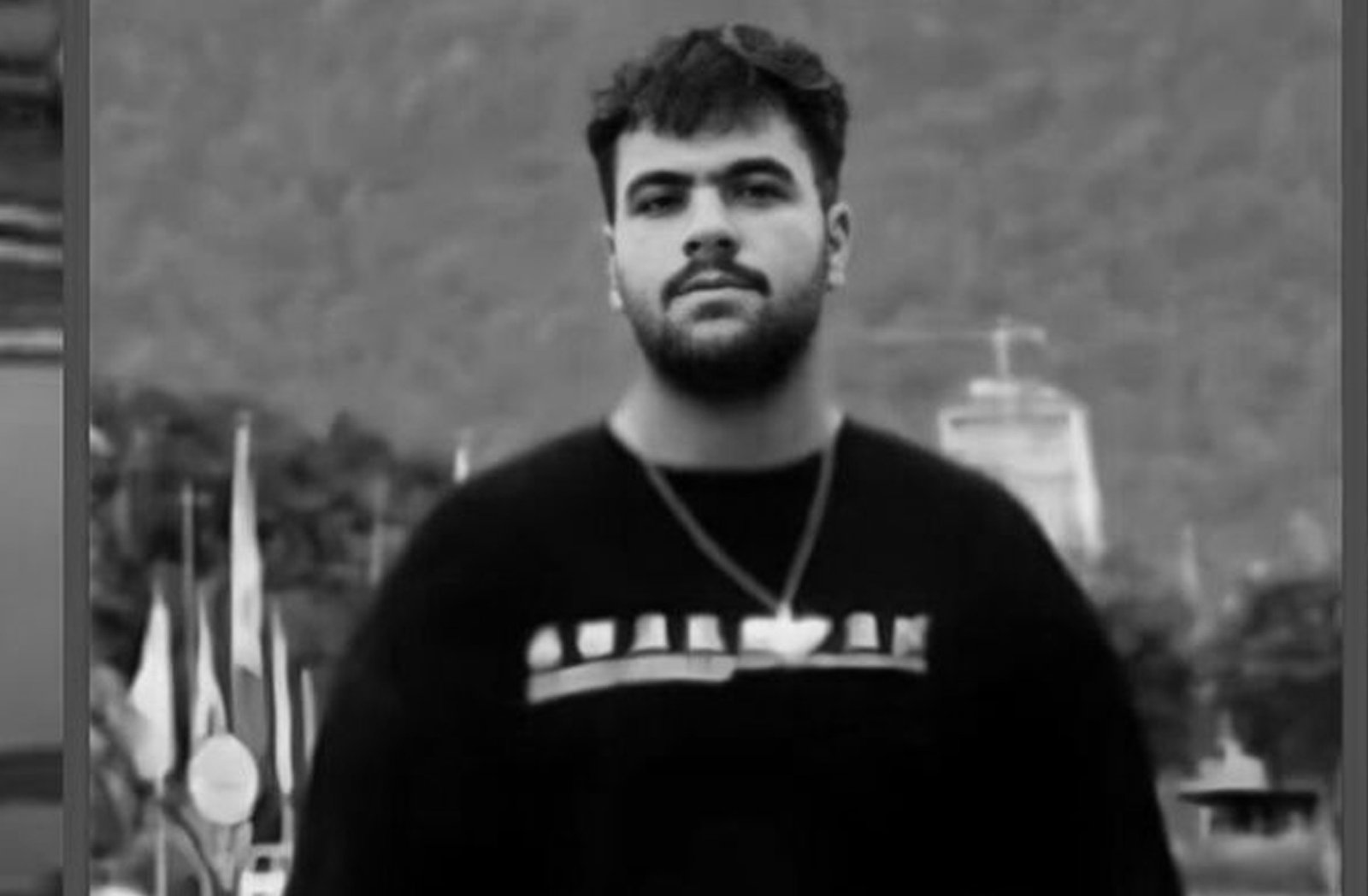
Mohammadreza Karimi
Age: 16 (Reported)
Location: Malekshahi, Ilam Province
Mohammadreza Karimi, a young Kurdish athlete and boxer from Malekshahi, died on January 6, 2026, after spending four days in a coma due to injuries sustained from direct gunfire by security forces. He was shot on Saturday, January 3, 2026, during popular protests in Malekshahi when IRGC (Revolutionary Guard) forces opened fire on demonstrators. According to sources, he was struck by three bullets in his side and torso.
Following the shooting, he was transferred to the intensive care unit of Khomeini Hospital in Ilam, where he remained in critical condition until he passed away. Reports indicate that after the injured were taken to the hospital, security forces raided the facility to abduct them, leading to clashes with the victims' families and the medical staff, during which the forces used tear gas inside the hospital grounds.
Mohammadreza was buried on Tuesday, January 6, 2026, in Malekshahi. His death occurred during a period of intense crackdowns in the region, where other citizens including Latif Karimi and Fares (Mohsen) Aghamohammadi were also killed by state forces.
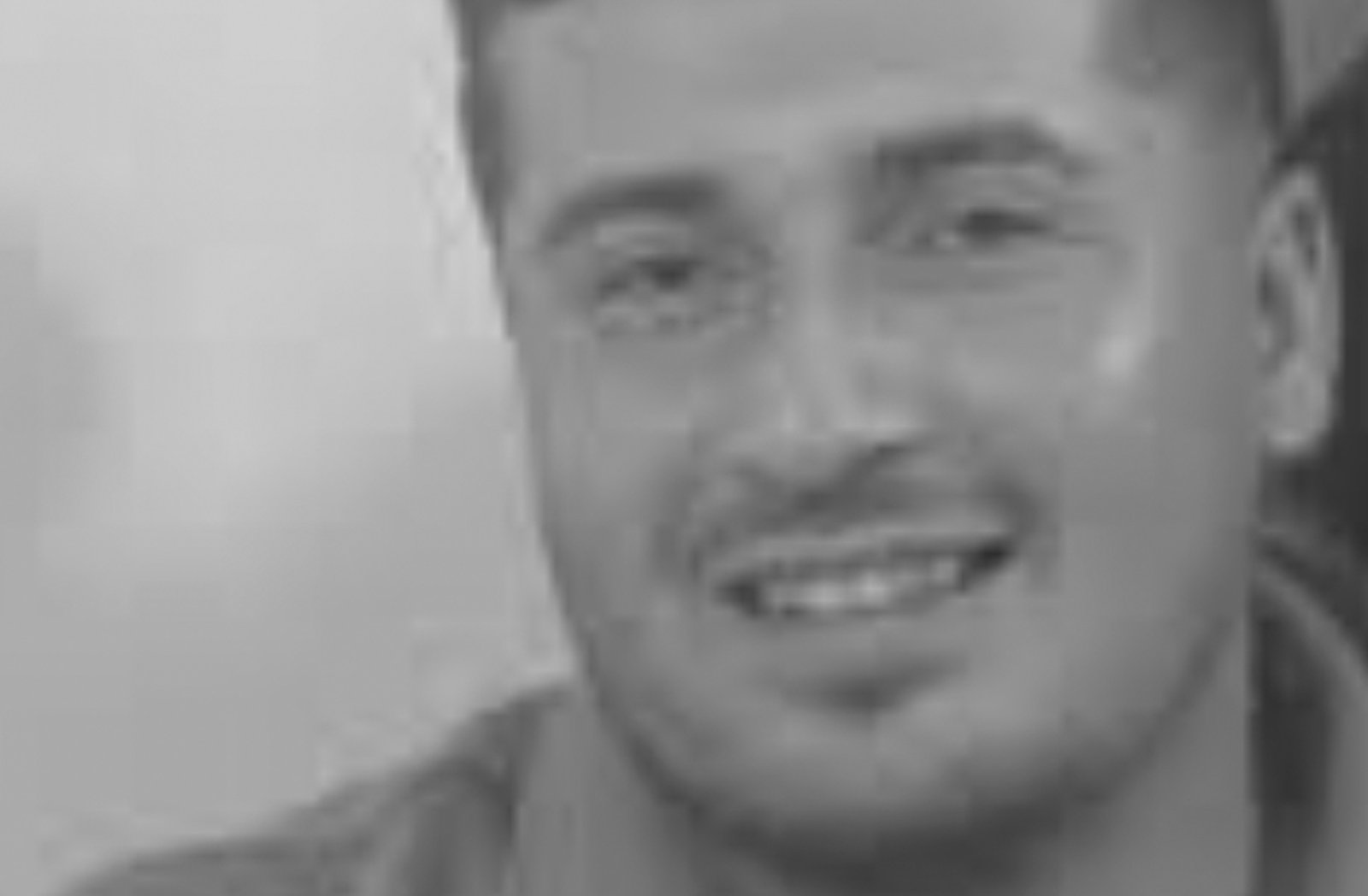
Milad Gholamzadeh Nowshari
Age: 31 Location: Khoshk-e Bijar, Gilan Province
Milad Gholamzadeh Nowshari, a 31-year-old resident of the village of Nowshar in the Khoshk-e Bijar district of Gilan, was killed on the evening of Wednesday, January 7, 2026. He was targeted by direct gunfire from Islamic Republic security forces during popular protests in the area.
According to eyewitness reports and human rights organizations, Milad was shot at close range by forces stationed at the Basij base in the village of Nowshar as they opened fire on a gathering of local protesters. He died as a result of a gunshot wound to the throat/neck area. During the same incident, a 17-year-old teenager named Mobin Yaghoubzadeh was also killed, and another citizen, Sobhan Hadipour, sustained a critical head injury.
Following the lethal crackdown, a heavy security atmosphere was reported in the region, including the deployment of "Special Unit" forces and the cutting of local electricity and internet services. Milad is one of at least 29 citizens identified by human rights groups as having been killed by state forces during the protests in early January 2026.