Body as Homeland | و تن
Body as Homeland
وَ تَنْ
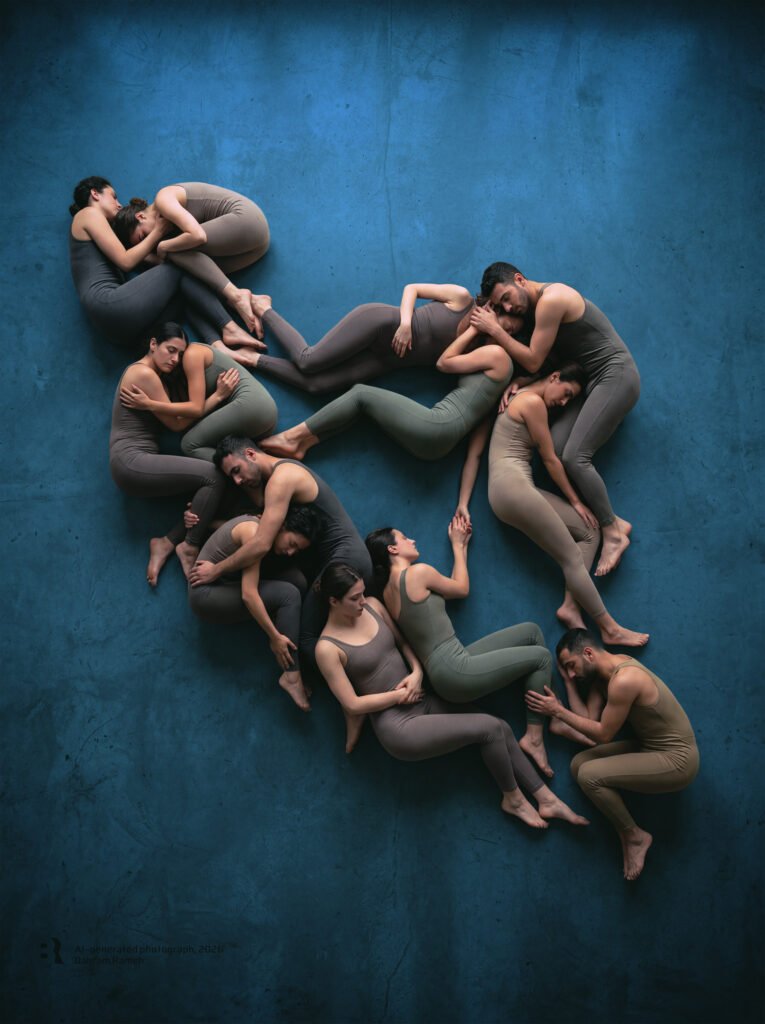
Our land has not been a home for many years. It has become a confiscated territory. We have breathed in it, worked in it, suffered in it, mourned in it, and rebuilt hope again and again, without ever truly belonging to it. For us, Iran has not only been a homeland. It has been an extended condition of being held hostage, a place whose cost of survival we have paid, while being denied any real right to decide its fate. Perhaps that is why homeland, before it is a name or a border, sometimes becomes “Va Tan,” a wounded bond between soil and body, between a land we love and the bodies that have carried its weight through pain, memory, and survival. The catastrophe is not only the Islamic Republic, though it is one of the harshest faces of this captivity. The catastrophe has taken shape at the intersection of internal despotism, global greed, oligarchies, and a logic of power and wealth that has seen this land not as our home, but as a field of influence, transaction, and domination. What should have belonged to us has been divided again and again among forces that have neither lived our suffering nor found any meaning in our lives. At times one can only say, bitterly: if only this land were not so rich, if only it were not so vast, if only it did not shine so brightly in the eyes of world powers, if only it were a smaller and less consequential place on the map of the world, yet truly ours. If only its value were determined not by oil, position, and interests, but by the breath of those who have lived in it, loved it, and paid for it with their lives. Our tragedy is that everyone has wanted something from this land except us. And Iran, with all its grandeur and all its wounds, still remains in longing for the day when its owners will be us, the people, not the regime, not world powers, and not networks of wealth and domination. And even so, hope still remains: hope for the day when, in our homeland, we may embrace each other’s bodies without expectation and without mediation, far from fear and separation, in the air of freedom.
سرزمین ما سالهاست خانه نیست، بلکه قلمروییست مصادرهشده. ما در آن نفس کشیدهایم، کار کردهایم، رنج بردهایم، عزاداری کردهایم و هر بار امید را از نو ساختهایم، بیآنکه واقعا صاحب آن باشیم. ایران برای ما فقط وطن نبوده، بلکه شکل ممتد گروگانبودن بوده است؛ جایی که بهای ماندنش را پرداختهایم، اما حق تصمیمگیری درباره آن را نداشتهایم. شاید برای همین است که گاهی وطن، پیش از آنکه یک نام یا یک مرز باشد، به «و تن» تبدیل میشود؛ به پیوندی زخمی میان خاک و بدن، میان سرزمینی که دوستش داریم و تنهایی که بار آن را با رنج، حافظه و بقا حمل کردهاند. فاجعه فقط جمهوری اسلامی نیست، هرچند یکی از خشنترین چهرههای این اسارت است. فاجعه در تلاقی استبداد داخلی، طمع جهانی، الیگارشیها و منطق قدرت و ثروتی شکل گرفته که این سرزمین را نه خانه ما، بلکه میدان نفوذ، معامله و سلطه دیده است. آنچه باید از آن ما میبود، بارها میان نیروهایی تقسیم شده که نه رنج ما را زیستهاند و نه زندگی ما برایشان معنایی داشته است. گاهی باید با تلخی گفت کاش این سرزمین اینقدر ثروتمند نبود، کاش اینقدر پهناور نبود، کاش اینقدر در چشم قدرتهای جهان نمیدرخشید، کاش جایی بود کوچکتر و کماهمیتتر در نقشه جهان اما واقعا متعلق به ما. کاش ارزش آن را نه نفت و موقعیت و منافع، بلکه نفس کسانی تعیین میکرد که در آن زیستهاند، دوستش داشتهاند و با جان خود هزینهاش را دادهاند. تراژدی ما این است که همه از این سرزمین چیزی خواستهاند، جز ما. و ایران، با همه شکوه و زخمهایش، هنوز در حسرت روزی مانده است که مالکانش ما مردم باشیم، نه رژیم، نه قدرتهای جهان و نه شبکههای ثروت و سلطه.
و با این همه، هنوز امیدی هست؛ امید به روزی که در وطن، تن یکدیگر را بیچشمداشت و بیواسطه در آغوش بکشیم، دور از هراس و فراق، در هوای آزادی.